Mold failure in cheese making: Optimize culture conditions
"The delicate balance of microbial life determines the success of a rind, where a single error can turn a masterpiece into a ruined batch."
Optimizing mold growth in cheese making requires precise control over environmental variables and culture inoculation. This guide explores the primary causes of mold failure, how to troubleshoot cheese mold growth, and how to optimize mold culture conditions to ensure consistent results.
Why does mold failure in cheese making happen?
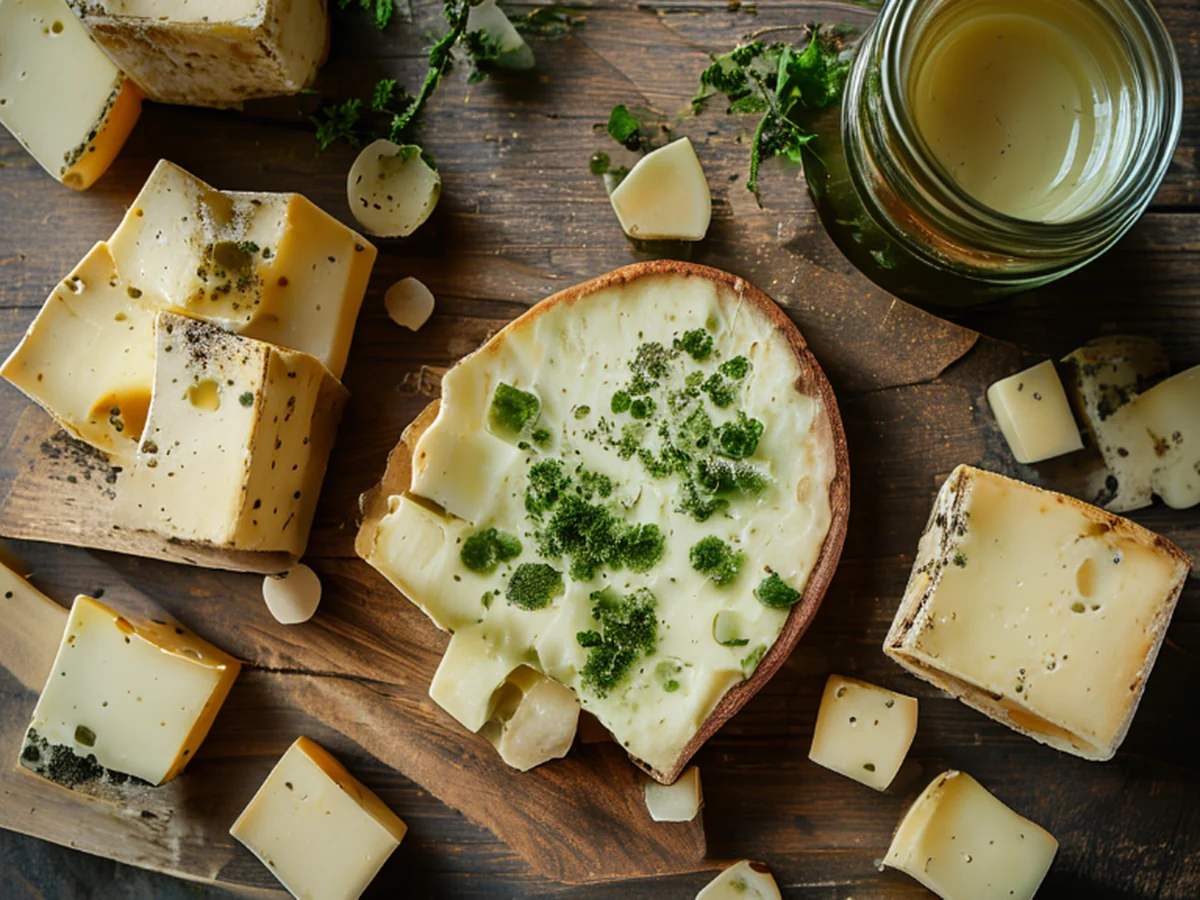
At midnight in the damp cellar, I touch the fuzzy rind and realize the intended mold has failed to bloom.
A cheesemaker stands over a ripening room, watching as a white bloom fails to spread evenly across the surface. This failure often stems from an imbalance between the intended starter culture and wild environmental microbes.
The primary cause of mold failure in cheese making involves incorrect moisture levels or temperature fluctuations during the ripening stage. If the environment is too dry, the mold cannot colonize the surface; if too humid, unwanted bacteria might outcompete the desired fungi.
Troubleshooting cheese mold growth requires checking the humidity of the aging room and the temperature consistency. Proper management prevents the loss of expensive artisan batches.
Failure often stems from unintended wild yeast contamination or improper humidity levels that favor spoilage over beneficial cultures.
How to troubleshoot cheese mold growth effectively?
I pull my hand back from the damp cellar shelf as the pungent scent of failing mold hits my nose.
A technician adjusts the humidity settings on a ripening cabinet, noting how the surface of a wheel changes over several days. When a batch does not develop the expected rind, the producer must investigate the specific environmental triggers.
To resolve issues, one must analyze the inoculation process and the environmental stability. When you attempt to troubleshoot cheese mold growth, you should first verify the health of the culture and the cleanliness of the equipment.
If the mold fails to develop, check if the salt levels on the rind were sufficient to allow growth.
A common issue involves the competition between different microbial species. If the intended mold does not take hold, it may be due to the presence of competing bacteria or wild yeast.
Analyzing the moisture content of the curd is also vital, as the substrate must be suitable for the specific mold strain being used.
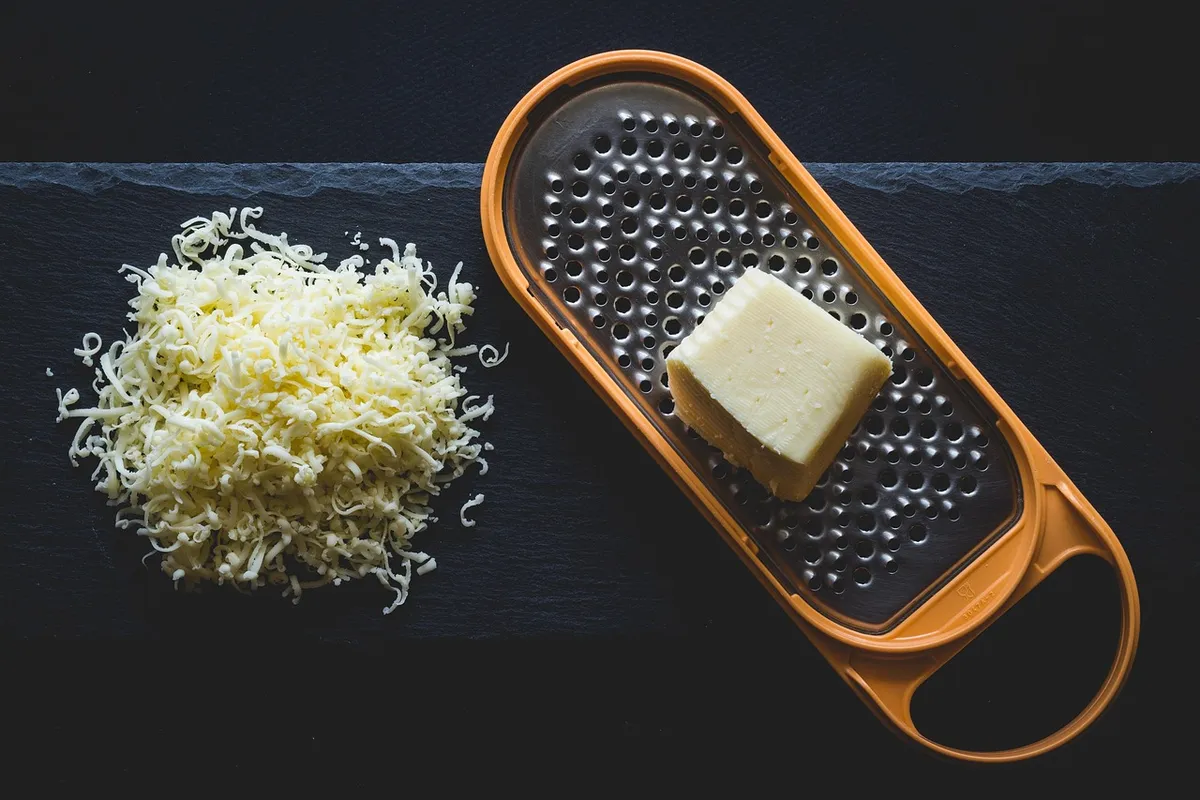
- Inspect the ambient humidity and temperature of the ripening room.
- Verify the purity and viability of the starter cultures.
- Sanitize all contact surfaces to eliminate competing microbes.
How to optimize mold culture conditions for success?
A cheesemaker carefully inoculates a fresh curd, ensuring the spores are distributed evenly throughout the batch. Achieving a consistent rind requires a deep understanding of how the culture interacts with the cheese.
To successfully optimize mold culture conditions, you must focus on three critical areas: temperature, humidity, and oxygen availability.
- Maintain a stable temperature that matches the specific requirements of the mold strain. 2. Control the relative humidity to ensure the surface remains moist enough for fungal growth without becoming slimy. 3. Ensure adequate airflow to provide the oxygen necessary for aerobic mold development.
After these steps, perform a final check by monitoring the color and texture of the rind daily. I remember checking the airflow in a small ripening room and realizing how a slight draft changed the entire surface of the cheese.
In this sequence, the second step is the most critical for maintaining stability.
What are the limitations of mold-based production?
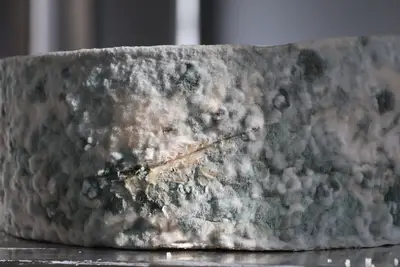
A producer examines a cheese wheel that has developed an unintended dark spot, recognizing it as a failure of the ripening process. Not all cheeses are suitable for mold-based ripening, and environmental factors can vary wildly between regions.
According to the Dairy Business Innovation Center, cheese advocates sought to increase the production of artisan cheese in the state in the early 2000s, leading to the creation of the Dairy Business Innovation Center in 2004.
The effectiveness of mold-based production is limited by the specific type of cheese being produced. For example, the curdling process concentrates most lactose into the whey, which changes the chemical environment of the cheese.
Traditionally made hard cheeses, which have a long ripening period, contain virtually no lactose, making them ideal for certain molds. However, the moisture and sugar content in fresher cheeses can lead to different results.
| Cheese Type | Lactose Content (Relative to Milk) |
|---|---|
| Fresh Cottage Cheese | 7% |
| Cheddar | Less than 1.5% |
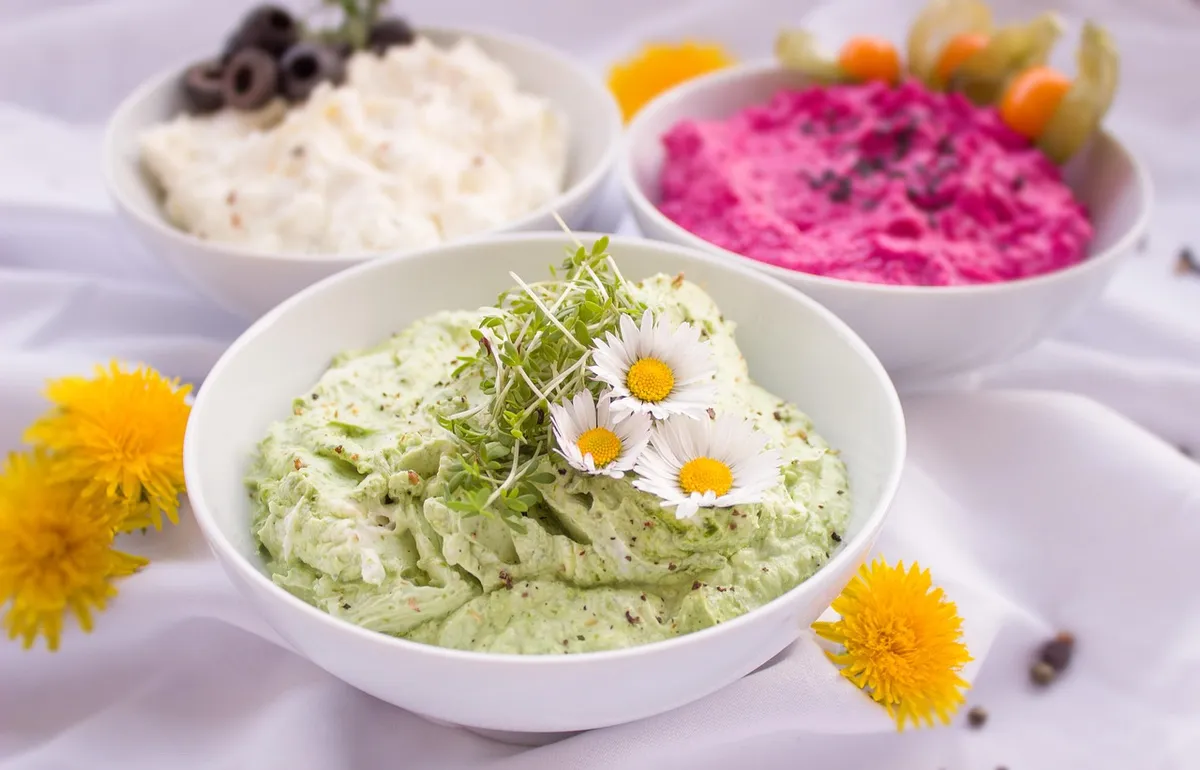
The difference in lactose levels can affect how bacteria and molds interact during the aging process.
Production is limited by the sensitivity of cultures to seasonal temperature shifts and the high risk of batch loss due to environmental fluctuations.
The same subject is also called Cheese mold failure cause.
The same subject is also called Fungus use in cheese fail.
The same subject is also called Mold growth issue cheese.
The same subject is also called Cheese mold process error.
This part also covers Analyze cheese mold failure.
Related
- Gruyère cheese mold aging safety: Curing durations guide
- Cheese making temperature control: Guide to proper aging
What is the role of the delicate balance in ripening? The delicate balance between the desired mold and the ambient microbial life dictates the final quality of the cheese rind. This balance is crucial because the ripening process is a controlled biological activity, and any shift throws the entire development into question. Maintaining this delicate balance ensures the desired aesthetic and flavor profiles develop properly. According to USDA FoodData Central, 100g of cheddar cheese contains 408kcal, 23.3g of protein, and 34g of fat.
When the initial balance is tipped toward unwanted microbes, the rind develops flaws that cannot be corrected later. The success of the entire batch hinges on achieving and maintaining this delicate balance throughout the aging period.
This microbial interplay is what transforms a simple curd into a complex cheese.
The balance between moisture content and microbial activity determines whether the cheese develops its intended flavor profile or undergoes premature spoilage.




Comments 0