Cheese mold aging history: How to guide flavor development
"The transformation of simple milk into complex, aged delicacies relies on the invisible work of microscopic organisms."
The history of cheese mold aging involves the deliberate use of fungi to develop specific textures and sharp flavors. This process evolved from accidental discovery to highly regulated scientific techniques used by artisans and industrial producers alike.
* Understanding the role of moisture and fat in mold development. * The transition from accidental fermentation to controlled ripening. * The impact of modern innovation centers on artisan production. * Regulatory standards for different cheese varieties.
How does cheese mold aging work?
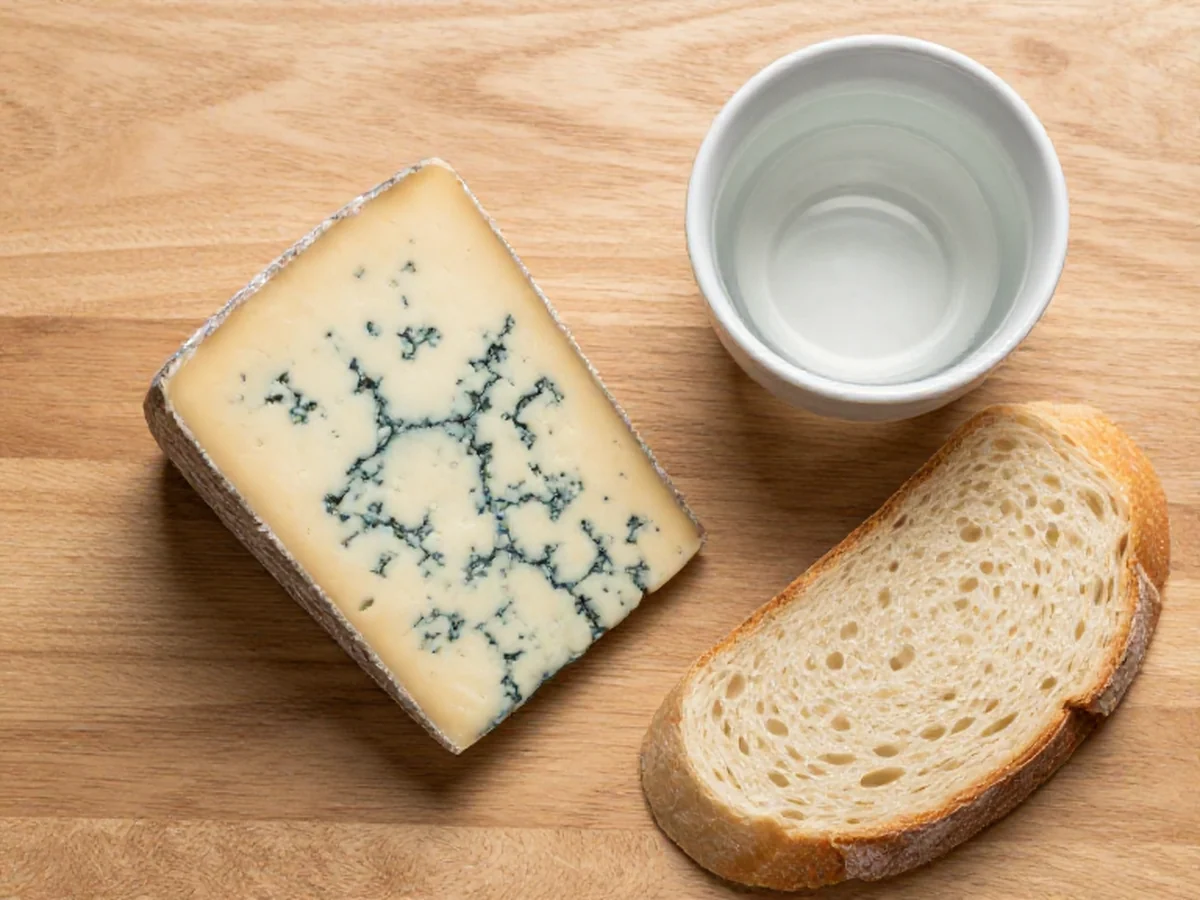
A cheesemaker carefully monitors the damp, cool air of a ripening room to encourage the growth of specific cultures. This cheese ripening technology evolution relies on maintaining precise environmental conditions to ensure the fungi develop without spoiling the batch.
According to technical guidelines, ripening temperatures generally sit around 8-10 degrees Celsius with a relative humidity of 85–95%, though these settings vary by type. Managing these levels is essential for the evolution of cheese aging.
The process requires patience, as a fermentation period of 60–90 days is usually needed before the flavor becomes typical and acceptable for marketing.
However, the effectiveness of this process is limited if the ambient humidity is not strictly controlled.
How is mold used in the cheese making process? At dawn, I lift the heavy mold in the quiet cellar and smell the sharp scent of the developing cheese.
The cheesemaker begins by preparing the raw milk and managing the drainage of whey in a quiet, temperature-controlled space. This systematic approach to mold usage in cheese making ensures that the biological agents have the correct substrate to thrive.
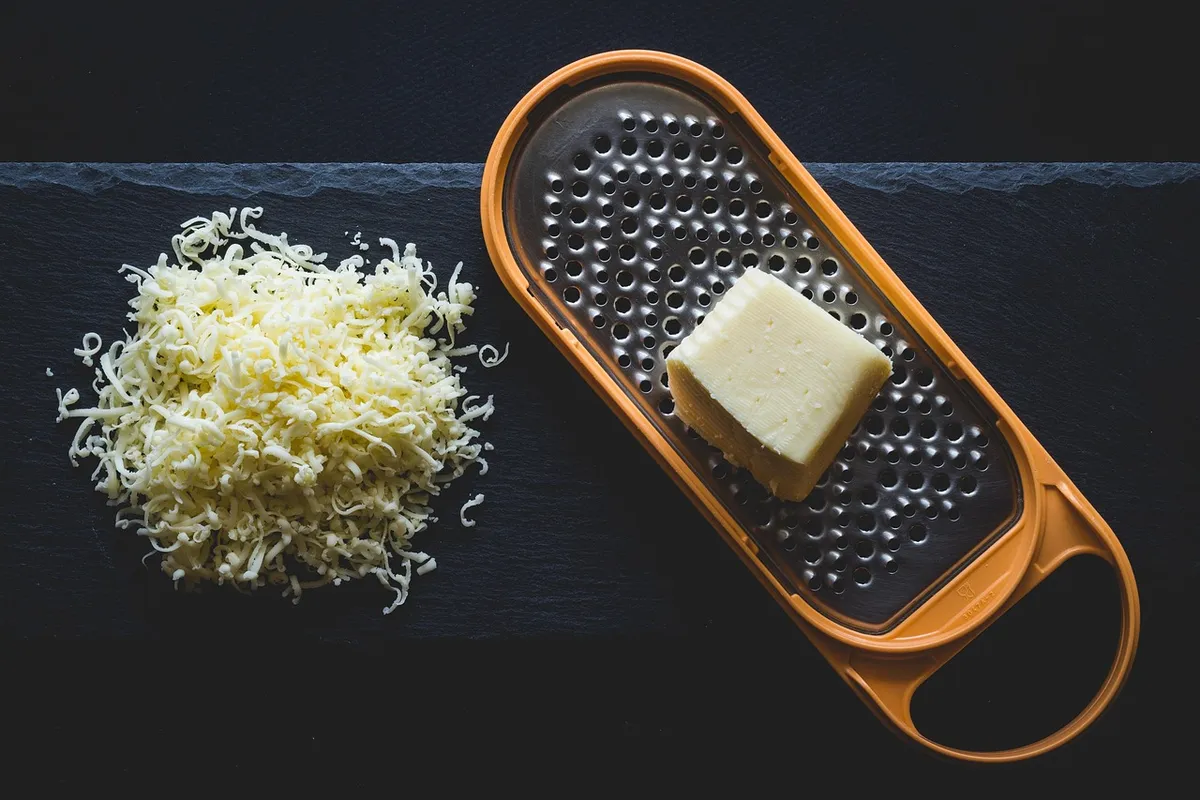
- Pasteurize the raw milk from cattle, goats, or sheep at 72 °C (162 °F) for 15 seconds. 2. Continue whey drainage for 10–48 hours without applying pressure, inverting the molds frequently to promote the process. 3. Add salt through brine salting or dry salting for 24–48 hours to provide flavor and act as a preservative.
I watched the molds being inverted during a drainage cycle, noting how the lack of pressure allowed the liquid to separate naturally. After the final salt application, a check of the moisture levels is required to ensure the batch meets specific variety standards.
- Inoculation of the milk or curd with specific mold spores.
- Controlled incubation to allow mycelium growth.
- Ripening under specific temperature and moisture conditions.
How did ancient cheese tradition progress into modern science?
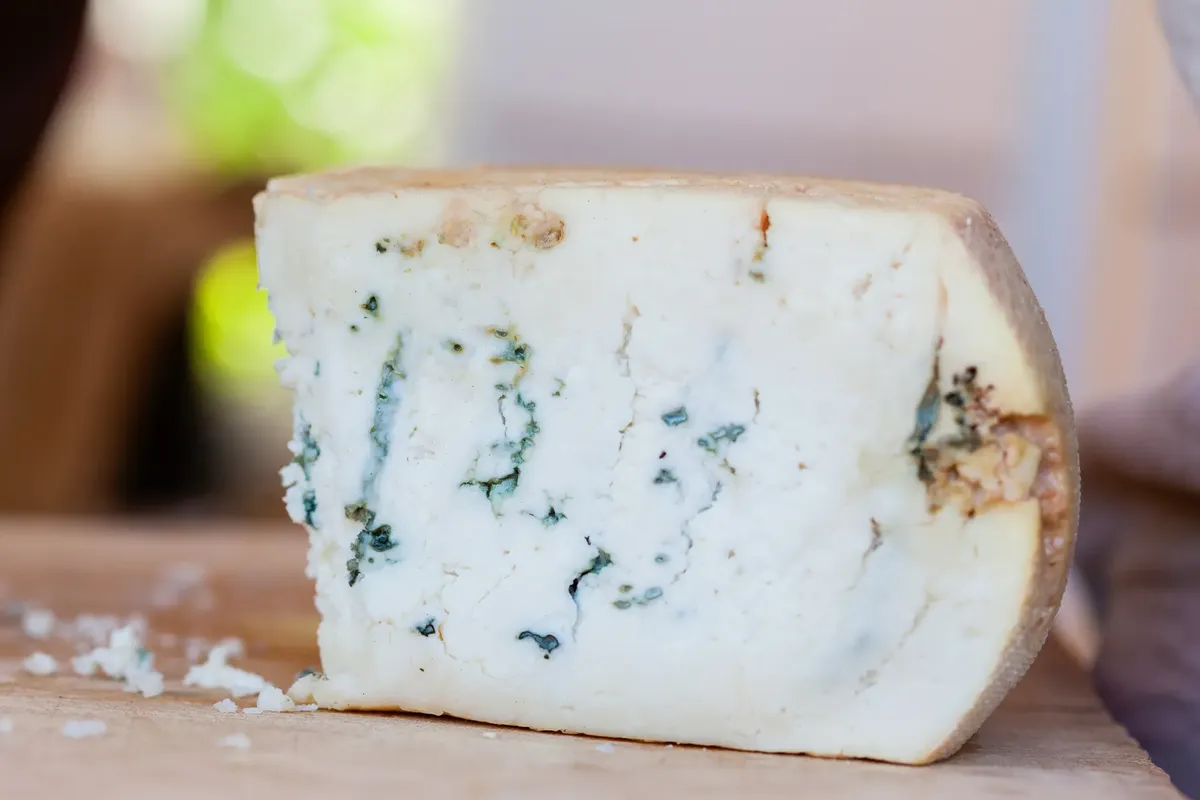
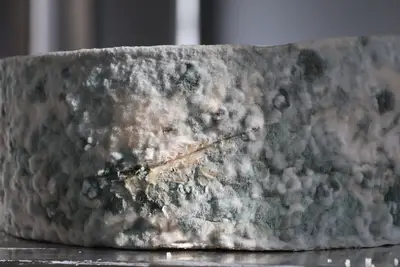
An artisan in a small creamery examines the blue veins spreading through a wheel of cheese, noting the distinct aroma. The ancient cheese tradition progress has moved from localized, accidental methods to the specialized support found in modern dairy research hubs.
According to the Dairy Business Innovation Center, cheese advocates sought to increase the production of artisan cheese in the state in the early 2000s, leading to the creation of the Dairy Business Innovation Center in 2004.
According to the Machine Wisconsin Milk Marketing Board, the history of cheese in Wisconsin includes the rise of cheese in America's Dairyland.

In the early 2000s, cheese advocates sought to increase artisan cheese production in certain regions, which led to the creation of the Dairy Business Innovation Center in 2004. This shift allowed for more controlled studies on how dairy products age through science.
Such advancements help producers master the complex interplay between humidity and fungal growth.
I find that the second stage in this progression is the most significant.
What rules must blue cheese follow? A quality inspector checks the moisture and fat content of a blue cheese wheel to ensure it complies with national safety and labeling laws. Understanding these standards is a key part of dairy product aging science.
Different regions maintain distinct requirements for these products. Under the regulation of the Canadian Food Inspection Agency, manufacturers can produce blue cheese with a maximum of 47 percent moisture and a minimum of 27 percent milk fat.
In contrast, the United States Code of Federal Regulations standard for blue cheese specifies a minimum milkfat content of 50 percent and a maximum moisture of 46 percent.
| Feature | Canadian Standard (Max/Min) | US Standard (Max/Min) |
|---|---|---|
| Moisture | 47% Maximum | 46% Maximum |
| Milk Fat | 27% Minimum | 50% Minimum |
This does not apply to artisanal cheeses produced outside of formal certification frameworks.
How does cheese mold development affect nutrition?
A person sits at a wooden table, slicing a piece of cheddar to enjoy with bread. While the aging process changes the flavor and texture, the nutritional profile remains a primary interest for consumers.
The nutritional content of cheese depends heavily on the type and aging process. For example, 100g of cheddar cheese contains 408kcal, 23.3g of protein, 34g of fat, 707mg of calcium, and 77mg of potassium.
In comparison, 100g of imitation American cheddar provides 1000kj of energy, 16.7g of protein, 14g of fat, 1340mg of sodium, and 29mg of magnesium.
The nutritional shifts are not applicable to cheeses that have not undergone a complete ripening cycle.
Related
- Gruyère cheese mold aging safety: Curing durations guide
- Killeen Cheese Awards: What Defines Top Irish Cheese
What are the cautions during the transformation process?
- The cheesemaker must exercise caution when monitoring the damp, cool air in the ripening room because deviations from the established parameters can negatively affect the mold development. 2. A critical caution involves the salt application; improper salting can inhibit the necessary biological activity for the transformation of simple milk. 3. When comparing the nutritional content, one must exercise caution regarding the energy units used, as the cheddar example uses kilocalories while the imitation American cheddar uses kilojoules.
The transformation of simple milk requires consistent environmental management; fluctuations in temperature or humidity can shift the microbial balance. Artisans must recognize that the initial stages set the stage for the final product's characteristics.
I believe the first step in these precautions is the most critical.
What is the relationship between moisture and fat in aging?
The fat and moisture content significantly influence how the mold develops during the aging period. High moisture levels, when paired with the correct temperature, facilitate the growth of specific cultures needed for the transformation.
The fat content plays a role in texture development, as indicated by the difference between the cheddar and imitation American cheddar examples. The regulatory standards for blue cheese directly address these components, setting limits on both moisture and milk fat.
When comparing the two cheese standards, the Canadian requirement mandates a lower minimum milk fat content than the US standard specifies. This difference illustrates how regional conditions dictate acceptable parameters for the transformation.
The careful drainage of whey, which is related to moisture management, must occur before the salt is added, a procedure that helps control the biological environment for the mold.



Comments 0