Wisconsin cheese production share: Guide to industry trends
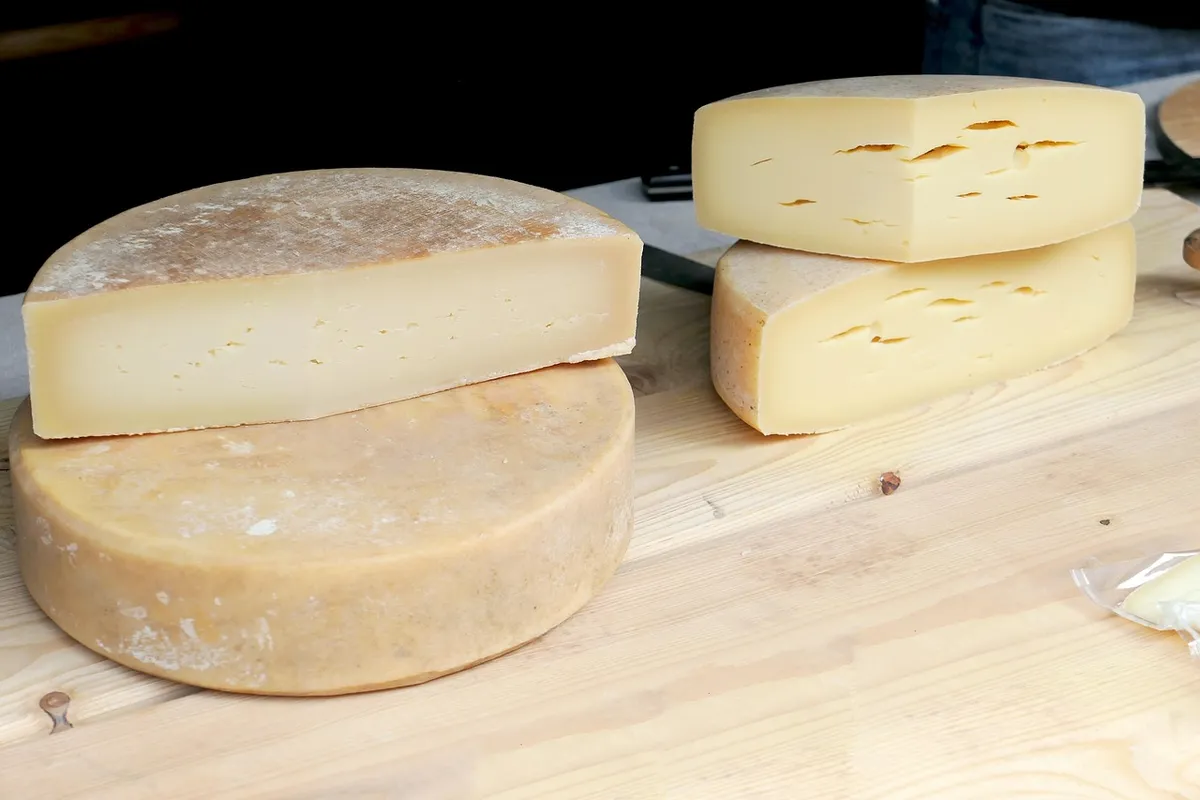
A heavy block of cheddar sits on a wooden cutting board, its sharp aroma filling the kitchen.
Wisconsin holds a dominant position in the American dairy landscape, serving as a primary driver of national cheese output. For those interested in industry trends, understanding how this state maintains its lead provides insight into the broader US cheese production volume.
This article explores the historical rise of the industry, current production shares, and the specific varieties that define the region.

Key takeaways: 1. Wisconsin remains a leading cheese-producing state, accounting for a significant portion of the national output. * Historical production peaks reached over 60% of the total US supply during the early 20th century. 2. The state produces a vast array of varieties, including specialized cheeses like limburger.
How did Wisconsin become a leader in US cheese production volume?
An old farmer wipes dust from a vintage jug in the morning light, remembering how the spirit of Wisconsin transformed the rolling pastures.
An old dairy farmer wipes dust from a vintage milk jug, looking out over rolling green pastures. The transition to a dairy-centric economy happened over a century ago, reshaping the landscape and the economy.
According to the Dairy Business Innovation Center, cheese advocates sought to increase the production of artisan cheese in the state in the early 2000s, leading to the creation of the Dairy Business Innovation Center in 2004.
According to the Machine Wisconsin Milk Marketing Board, the history of cheese in Wisconsin tracks the rise of cheese in America's Dairyland.
By the start of the 20th century, the agricultural focus had shifted dramatically, with over 90% of farms being dedicated to dairy. This massive shift laid the groundwork for the state to become the largest producer of cheese in the United States during the early 1900s.
As the industry grew, so did the capacity to serve the entire nation.
The momentum of this growth was particularly evident in the early 20th century. By 1919, Wisconsin produced more than 63% of all cheese made in the United States. This era established the state as a powerhouse, a reputation that has persisted through changing market demands.
What is the current Wisconsin cheese production share?
A factory worker lifts a heavy wheel of cheese in the bright morning light to witness the massive scale of Wisconsin production.

A worker in a clean factory moves a large wheel of cheese from a cooling rack to a transport crate. Modern statistics show that the state continues to hold a massive portion of the national market.
As of 2024, Wisconsin was the largest cheese-producing state in the U.S., responsible for 25.2% of the country's total cheese production. This significant rep ensures that the state remains central to the national food supply.
Even as other regions develop, the sheer scale of Wisconsin's output remains a cornerstone of the dairy industry.
The scale of production is reflected in the massive poundage handled annually. In 2019, Wisconsin manufactured 3.36 billion pounds of cheese, which accounted for 26% of all cheese produced in the United States. This level of output demonstrates the enduring strength of the regional dairy industry.
How diverse is the regional cheese output map?
At sunset, a traveler tastes a sharp wedge in a local market to explore the many flavors of Wisconsin.
A cheesemonger carefully slices a small wedge of specialty cheese for a customer. The variety of products produced in the state ensures that it meets diverse consumer tastes across the country.
The state is not just about mass production; it is also about variety. By 2018, Wisconsin cheese factories produced more than 600 varieties of specialty cheese, which represented approximately 50% of all specialty cheeses made in the United States.
This diversity allows the state to lead in both volume and niche markets.
Within the state's own production, different types of cheese hold varying levels of importance. For instance, mozzarella accounts for 31% of all cheese produced, while cheddar accounts for 21%. This internal variety supports a wide range of culinary uses and consumer preferences.
What roles do specific varieties play in dairy industry trends?
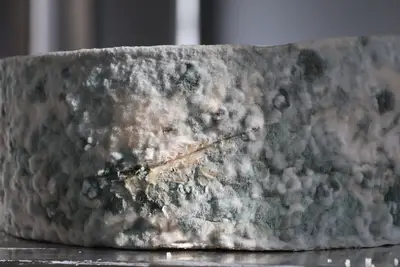
A connoisseur examines the rind of a unique cheese under a soft light. Certain specialized products maintain a unique presence in the market through specific production methods.
While mass-produced cheeses dominate volume, specialty items maintain unique market niches. As of 2020, the only cheese factory that produces limburger cheese in the United States is the Chalet Cheese Cooperative in Monroe.
This highlights how specific geographic locations can become synonymous with unique varieties.
The focus on artisan products also drove institutional support. Cheese advocates sought to increase the production of artisan cheese in the state in the early 2000s, leading to the creation of the Dairy Business Innovation Center in 2004.
This move helped bridge the gap between traditional methods and modern market needs.
How does the dairy industry economic role impact the state?
A tractor moves through a field of clover near a large dairy barn. The economic stability of the state has long been tied to the success of its milk and cheese production.
The economic impact of the dairy sector is profound. In 2018, Wisconsin ranked second in the United States in dairy production, with over 7000 dairy farms producing 2.44 billion pounds of milk per month. This massive scale provides a stable foundation for the cheese industry.
The relationship between milk and cheese is a vital part of the economic structure. The industry's success is built on the ability to process vast quantities of milk into high-value products. This capability has sustained the state's prosperity for generations.
What are the limitations of these production statistics?
A researcher reviews a spreadsheet of agricultural data in a quiet office. While the numbers are impressive, they represent specific snapshots in time.
The data provided shows fluctuations in percentage shares over different years. For example, the share of national production was 63% in 1919 but was 25.2% in 2024. These shifts reflect changing national demographics and the growth of dairy production in other states.
| Year | Production Share |
|---|---|
| 1919 | Over 63% |
| 2024 | 25.2% |
I noted that the 2024 figure represents a different economic context than the 1919 peak.
- How did Wisconsin become a leader in US cheese production volume?
- What is the current Wisconsin cheese production share?
- How diverse is the regional cheese output map?
The subject here is Wisconsin cheese production share.
The same subject is also called US cheese output data.
The same subject is also called Cheese market statistics.
The same subject is also called Wisconsin dairy strength.
Related






Comments 0