How did early cheese ripening techniques work?
"The history of cheese is often written in the transition from simple village milk plants to global industrial giants."
Understanding the evolution of cheese manufacturing requires looking at how ripening techniques and corporate mergers shaped modern brands.
This exploration covers historical ripening methods, nutritional differences between real and imitation varieties, and the corporate shifts that redefined the industry.

* Historical ripening techniques involving wax and gas refrigeration. * Nutritional comparisons between authentic cheddar and imitation varieties. * Corporate mergers that created global food entities. * The transition from local milk plants to large-scale distribution.
How did early cheese ripening techniques work?
A worker in a cold room adjusts a valve to regulate the flow of gas through metal pipes. Historically, the common methods of ripening cheese involved storing the product covered in paraffin wax at temperatures between 40 and 80 degrees Fahrenheit.
This process utilized artificial refrigeration, often through the means of ammonia gas or carbon dioxide gas pumped through pipes within the room.
These temperature-controlled environments were essential for maintaining consistency during the aging process. The use of wax served as a protective barrier, while the gas-based refrigeration systems provided the necessary cooling to manage microbial activity.
As technology progressed, these methods laid the groundwork for more precise industrial aging.
- Select high-quality milk.
- Curdle the milk using natural enzymes.
- Age the cheese in temperature-controlled environments.
What are the nutritional differences in cheese varieties? Cheese brand patent history
The chef lifts a heavy slice of authentic cheddar in the kitchen to compare its texture to the early imitation block.
A chef compares two different blocks of cheese on a wooden cutting board to check their composition. When looking at nutritional data, the composition of cheese varies significantly depending on whether it is authentic or an imitation.
For instance, real cheddar contains 707mg of calcium, 77mg of potassium, 3.67mg of zinc, 2.44g of carbohydrates, 408kcal of energy, 23.3g of protein, 316ug of vitamin A, 34g of fat, and 21ug of folate per 100g.
In contrast, imitation varieties show different profiles.
According to USDA FoodData Central, cheese, american cheddar, imitation, contains 16.7g of protein, 114ug of vitamin A, 7ug of folate, 0.4ug of vitamin B12, 1000kj of energy, 0.33mg of iron, 29mg of magnesium, 1340mg of sodium, 14g of fat, and 11.6g of carbohydrates per 100g.
| Nutrient (per 100g) | Cheese, cheddar | Cheese, american cheddar, imitation |
|---|---|---|
| Protein | 23.3g | 16.7g |
| Vitamin A | 316ug | 114ug |

I noticed that the protein levels in the real cheddar were notably higher than in the imitation version during my comparison.
I find that the second step in comparing nutritional density is the most complex.
How did corporate mergers change the industry?
At sunset, the executive sighs heavily in his office as he stares at the early merger documents.
Executives sit in a boardroom reviewing merger documents that will consolidate several food brands. The landscape of the food industry was significantly altered by large-scale corporate movements.
The merger between Heinz owners Berkshire Hathaway and 3G Capital was completed on July 2, 2015, forming Kraft Heinz, which became the fifth-largest food and beverage company in the world.
These shifts often involve the integration of diverse product lines and distribution networks. Such mergers allow companies to consolidate resources and expand their global footprint.
The formation of Kraft Heinz represents a pivotal moment where historical brands were brought under a single, massive corporate umbrella.
What was the role of local milk plants in cheese history?
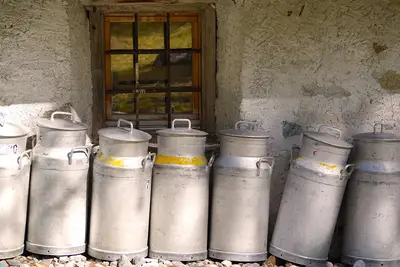
A truck driver loads crates of cheese at a small village facility near a river. Before the era of massive conglomerates, cheese production was often a localized affair.
One historical example involved the maker and shipper of cheese, Coon of Philadelphia, who operated five milk plants in villages around Watertown. These plants supplied the Dairymen's League Co Operative Association, Inc.
This localized production model emphasized the relationship between regional milk sources and the distribution of finished goods. The movement of products from village plants to cooperative associations was a fundamental part of the supply chain.
This structure allowed for the growth of brands before they transitioned into the international market.
How can you identify different cheese profiles?
A consumer reads the label on a package of cheese carefully before placing it in a shopping cart. To navigate the various types of cheese available, one must understand the specific ingredients and processing methods used.
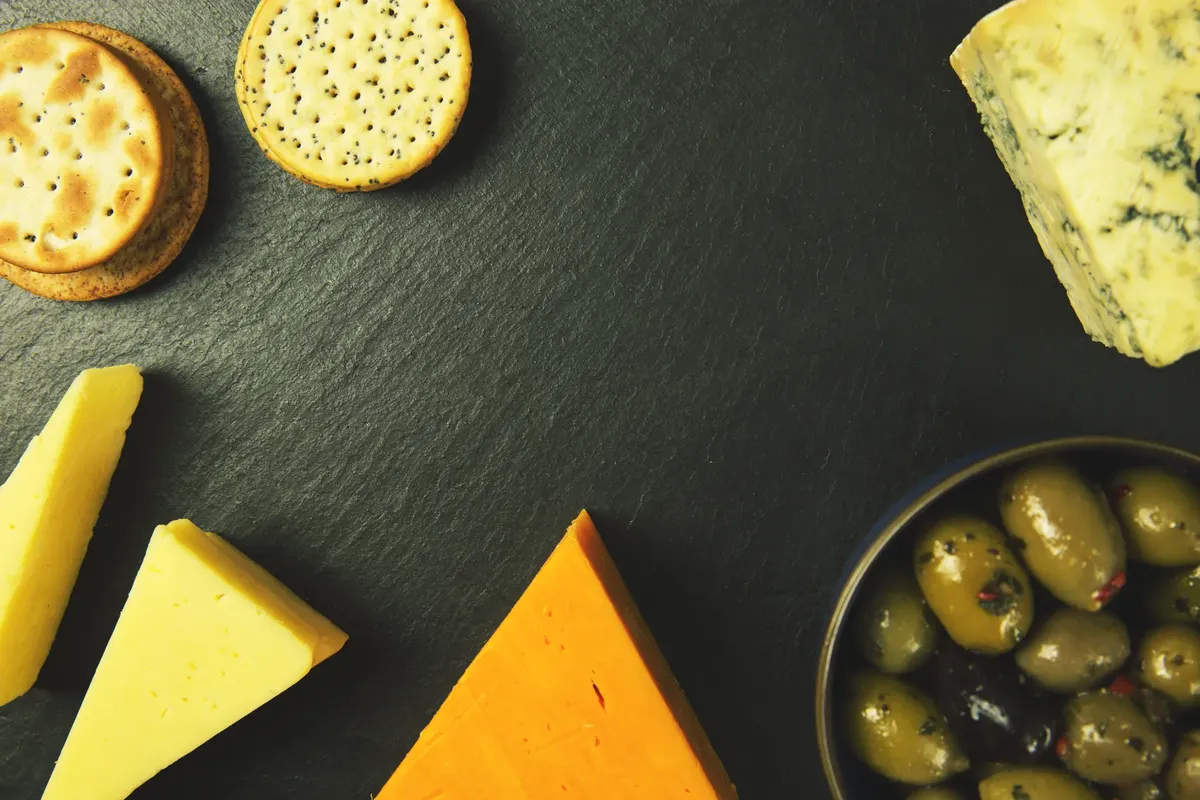
- Check the protein content to distinguish between high-protein varieties and those with higher carbohydrate fillers. 2. Examine the fat and sodium levels, as imitation products often have different ratios than traditional aged cheeses. 3. Verify the origin and labeling to ensure the product meets the specific variety name used. 4. Perform a final check of the nutritional facts to match the product to your dietary needs.
A limitation of these comparisons is that nutritional profiles can change based on specific manufacturer recipes, and the data provided reflects specific standardized samples.
The subject here is Cheese brand patent history.
The same subject is also called Cheddar cheese trademark.
The same subject is also called Cheese manufacturing patents.
US cheese brand trademark
Related
- Wisconsin cheese production share: Guide to industry trends
- Saanen goat milk cheese quality: Why purity is key
How did the transition from local to global occur?
The shift from small-scale production to global distribution marked a major phase in the history of cheese. Local milk plants, like those operated by Coon of Philadelphia, served as the initial collection points for regional milk supplies.
These small-scale operations were the foundation upon which larger distribution networks were later built. The eventual integration into global entities occurred when these regional producers faced the scaling demands of the international market.
This transition involved scaling up the processes that began in small village settings. The localized control over quality and sourcing seen in the early days contrasts with the integrated, massive scale achieved through later corporate mergers.
The initial success of local producers paved the way for the industrial scale-up.
What was the significance of the initial milk plants?
The initial milk plants represented the critical first step in the cheese history continuum. They managed the collection and initial processing of milk before the product moved into aging or distribution.
These early facilities established the regional supply chain that underpinned the brand's existence. The successful operation of these small plants was crucial for the viability of the product line.
The history of cheese, therefore, is a story of scale, moving from the localized control of a single milk plant to the global reach of a major corporation. This journey reflects both technological advancement and market consolidation.




Comments 0