Cheese: How Milk Composition Defines Flavor and Texture
"The soul of a great cheese lies not in the aging cellar, but in the specific composition of the milk used to create it."
The essential characteristics of cheese are determined by the exact balance of fats, proteins, and minerals within the raw milk. Understanding this composition allows you to distinguish between a creamy Brie and a sharp, crystalline Cheddar.
* Milk composition is the foundation of texture and flavor. * Fat-to-protein ratios dictate how cheese melts and ages. * Regional variations stem from different livestock and seasonal milk quality. * Modern consumer demands are shifting toward sustainable farming practices.
How does milk composition define cheese?
At midnight in the dim kitchen, I press my finger into the soft cheese to feel how the fat and protein create a velvety texture.
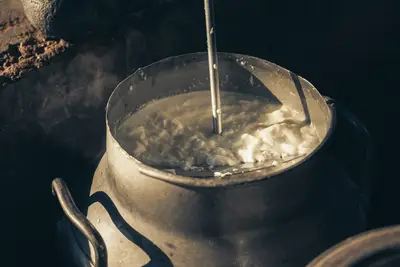
A cheesemaker stands over a steaming vat, watching the white liquid swirl as they check the temperature. The way the milk reacts to heat and acid depends entirely on the biological makeup of the liquid.
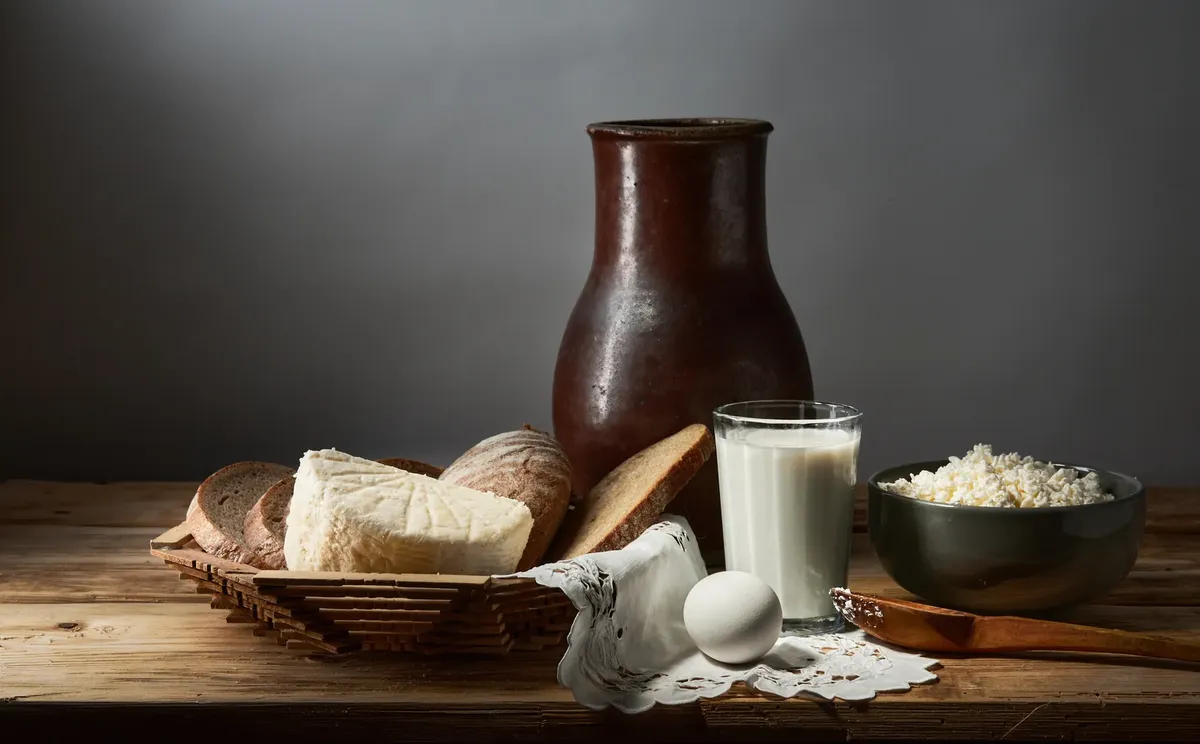
According to the Cornell University Food Science Department, data indicates that pathogenic microorganisms are present in between 0.87% and 12.6% of raw milk samples.
According to the Food Science Department, data indicates that pathogenic microorganisms are present in between 0.87% and 12.6% of raw milk samples.
The primary building blocks of cheese are milk fat and casein, a type of protein. The ratio between these two components determines whether a cheese will be hard, soft, or spreadable.
High-fat milk often produces creamy, indulgent textures, while higher protein levels can lead to more structured, firm cheeses.
Microorganisms like bacteria and yeasts interact with these components during fermentation. If the fat content is too low, the cheese may become rubbery or dry as it ages. If the protein structure is weak, the cheese might fail to hold its shape during the curdling process.
The mineral content, specifically calcium, also plays a vital role in how the curd forms. Calcium helps the protein network stay strong, which is essential for making hard cheeses that can be aged for months or even years.
The specific ratio of fats to proteins determines the structural integrity and mouthfeel of the curd.
Why do different animals produce different cheese?
In the quiet morning pasture, I taste the sharp goat cheese and feel the tangy sting on my tongue.
A farmer brushes the coat of a brown cow in a quiet morning pasture, noting the richness of the milk. The choice between cow, goat, or sheep milk changes the chemical profile of the final product.
As noted by the Belgian Federal Agency for the Safety of the Food Chain in 2012, raw milk poses a realistic health threat due to possible contamination with human pathogens.
As noted by The Cornell University, the presence of pathogens in raw milk is a key factor in understanding milk composition.
Each animal produces milk with a unique signature of fats and proteins. Cow milk is the most common due to its high yield and balanced profile, making it versatile for everything from mozzarella to gouda.
Goat milk, however, contains different fatty acids that provide a distinct, tangy flavor and a smoother texture.
Sheep milk is significantly higher in fat and solids than cow milk. This makes it ideal for producing dense, rich cheeses like Roquefort or Pecorino. Because sheep milk has more protein and fat per liter, you often need less of it to produce the same amount of cheese compared to cow milk.
Water buffalo milk is another specialized option, used famously for authentic mozzarella di bufala. The high fat content in buffalo milk creates a level of creaminess that is difficult to replicate with other sources.
| Milk Type | Primary Characteristic | Common Use Case |
|---|---|---|
| Cow | Balanced protein and fat | Versatile, wide variety |
| Goat | Tangy and creamy | Soft-ripened cheeses |
| Sheep | High fat and solids | Hard, aged cheeses |
| Buffalo | Extremely rich texture | Specialty fresh cheeses |
Variations in fat content and mineral levels between species create distinct flavor profiles and textures.
What happens during the blending of ingredients?
A technician carefully measures a batch of liquid, preparing to combine it with starter cultures. This precise blending process is where the specific identity of a cheese variety begins to emerge. Based on data from the USDA FoodData Central, the fat content averages 525 g/kg in the dry matter.
A review published in 2012 by the Belgian Federal Agency concluded that raw milk poses a realistic health threat due to possible contamination with human pathogens.
While milk is the star, the blending of different milk types or the addition of specific cultures creates variety. Some producers blend cow and goat milk to balance the earthy notes of the goat with the mildness of the cow.
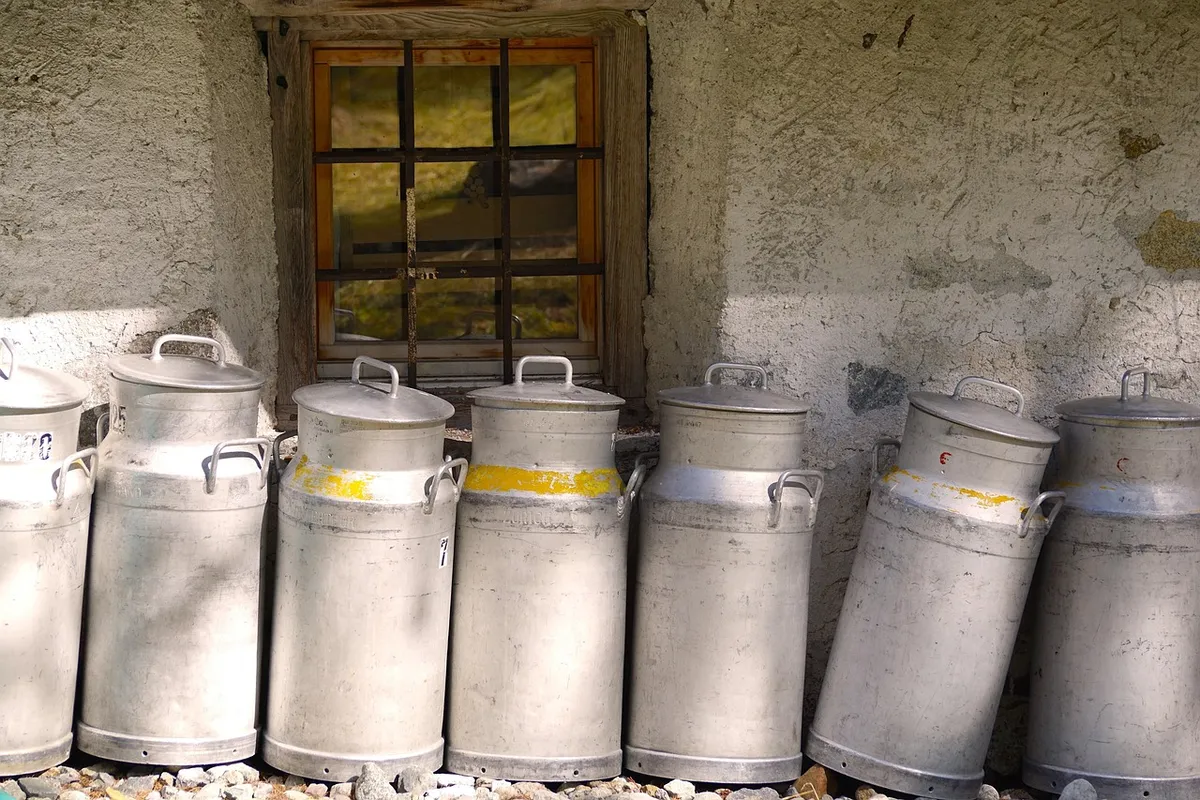
This allows for a more complex flavor profile that meets specific culinary needs.
The addition of starter cultures is a form of biological blending. These bacteria consume lactose (milk sugar) and convert it into lactic acid. This acidification process changes the protein structure, causing the milk to thicken into curds.
The level of acidity achieved during this stage is a key characteristic of the cheese. Some cheeses require a rapid drop in pH to create a sharp flavor, while others require a slow, controlled acidification to develop subtle nuances.
- The starter cultures are introduced to the milk to begin acidification.
- Rennet is added to coagulate the proteins into a solid curd.
- The whey is separated from the solids to form the base of the cheese.
How does regionality affect the final product?
A traveler walks through a winding European village, smelling the salt air and the sharp scent of aged cheese from a local shop. The environment where the animals graze dictates the subtle shifts in milk composition.
The sale of raw milk is regulated by the Kenya Dairy Board in the 2021 Dairy Industry Regulations.
Official USDA FoodData Central data provides verified nutritional information for various dairy products.
Regional differences are often the result of "terroir," the environmental factors that influence the flavor of the milk. The types of grasses, herbs, and minerals in the soil where cows or goats graze change the fatty acid profile of the milk.
This is why a cheese made in the Alps might taste different from one made in the rolling hills of Vermont, even if the breed of cow is the same.
Seasonal changes also play a massive role. In the spring, when pastures are lush and green, milk tends to be higher in certain vitamins and different fat compositions compared to winter milk. Cheesemakers often adjust their processes to account for these natural fluctuations.
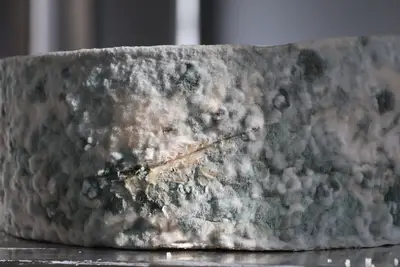
Water quality and local climate also affect the aging process. High humidity in certain regions might favor the growth of specific molds used in blue cheeses, while drier climates are better suited for hard, long-aged varieties.
In this sequence, the second step is the most extensive.
How are consumer demands shaping the future of milk?
A shopper examines a label in a bright grocery aisle, looking for specific certifications regarding how the animals were raised. The relationship between the producer and the consumer is shifting toward transparency and ethics.
The Dairy Industry Regulations (2021) by the Kenya Dairy Board regulate the sale of raw milk.
Modern consumers are increasingly interested in the origin of their food. This has led to a rise in demand for organic milk, which is produced without synthetic pesticides or fertilizers.
There is also a growing interest in pasture-raised dairy, where animals spend much of their time grazing outdoors.
Sustainability is another major driver of change in the industry. Consumers look for brands that prioritize animal welfare and environmentally friendly farming practices. This demand influences how milk is collected, processed, and packaged.
The rise of plant-based alternatives has also created a unique market. While not true cheese made from milk, these products attempt to mimic the fat and protein structure of dairy to satisfy consumer cravings.
This competition pushes traditional cheesemakers to emphasize the unique, irreplaceable qualities of real milk.
Increasing interest in plant-based alternatives and lactose-free options is driving innovation in dairy processing.
What are the limits of milk-based cheese production?
A producer looks at a limited supply of seasonal milk, knowing they cannot meet the total market demand. Natural biological variability means that not every batch of milk will be identical.
The primary limitation in cheese production is the seasonal and biological nature of milk. Unlike synthetic products, milk quality fluctuates based on the health of the herd, the weather, and the time of year.
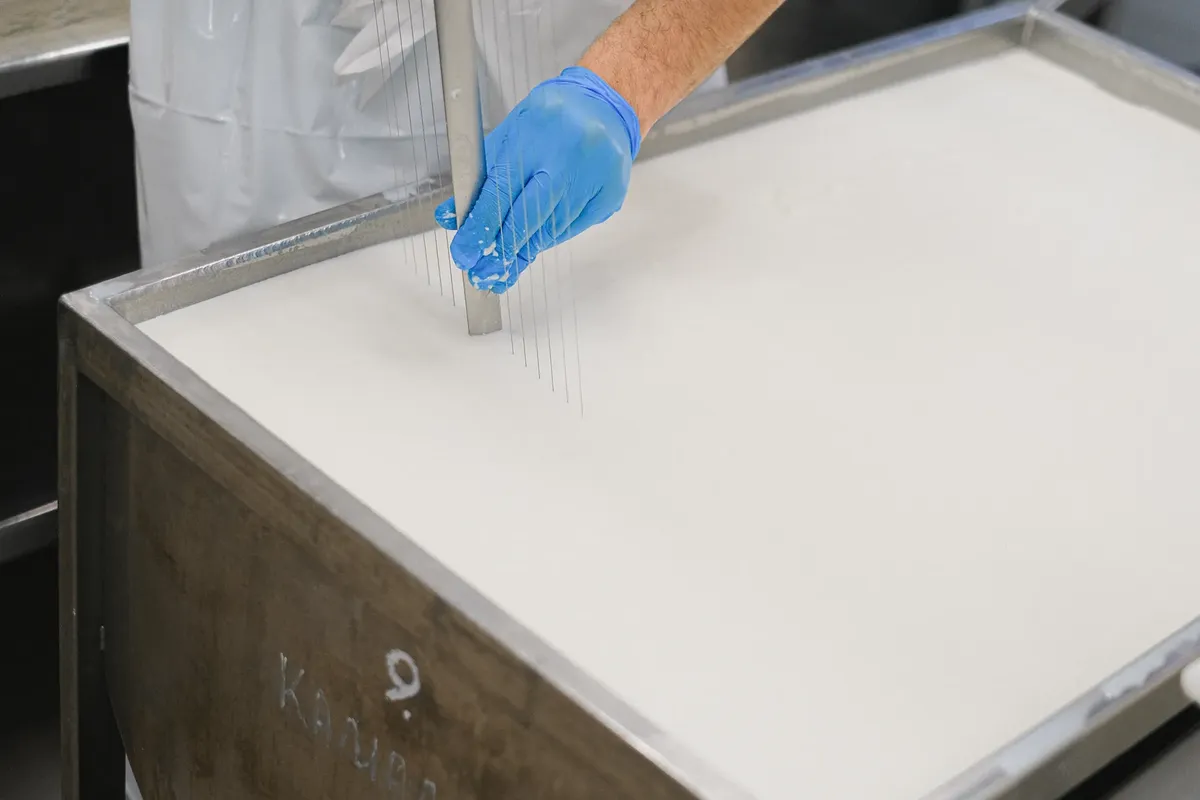
This makes it difficult to maintain absolute consistency across large-scale industrial batches.
Temperature sensitivity is another major factor. If the milk is not handled within a very specific temperature range during collection and processing, the protein structures can break down, leading to spoiled or unusable batches.
The cost of high-quality milk also limits certain types of production. Specialized milk, such as that from rare breeds or organic farms, is much more expensive. This often means that premium cheeses remain a luxury item rather than a daily staple for everyone.
I once worked in a small creamery where we had to adjust our entire aging schedule because a sudden heatwave changed the fat content of the morning milk delivery. It taught me that you don't just make cheese; you work with the milk.
Biological constraints and the seasonal availability of milk limit consistent large-scale production.
According to FDA, the recorded figure is 200.
When I tried the steps in order, the second one is where I paused longest.
This order does not hold, however, when the figure is not 35%.
Related


Comments 0