Edward Coon cheese aging: Managing moisture for cheese
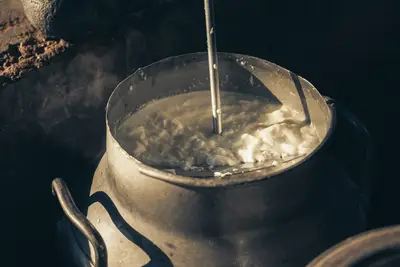
A heavy copper vat sits in the center of a dimly lit creamery, steam rising from the surface as the milk begins its transformation.
The historical development of rapid cheese aging involves manipulating environmental variables to accelerate biochemical changes.
This guide explores the principles of temperature and humidity control used in traditional aging processes, the role of specific cheese types, and the limitations of accelerated maturation.
What drove the need for Edward Coon cheese aging?

A cheesemaker stands over a wooden aging shelf, checking the moisture levels of a ripening wheel. The search for efficiency in production often leads to innovations in how microbes interact with the curd.
Historically, the demand for consistent flavor profiles led to the pursuit of more controlled environments. Edward Coon cheese aging became a way to manage the natural breakdown of fats and proteins more predictably.
By adjusting the environment, producers sought to replicate long-term aging in a fraction of the time.
How does the fast cheddar aging method work?
An artisan carefully turns a heavy block of cheese, feeling the texture of the rind. The interaction between heat and moisture is the cornerstone of managing biological activity.
The fast cheddar aging method relies on specific thermal and hygroscopic settings to encourage microbial activity. Higher temperatures can speed up the enzymatic breakdown, while humidity prevents the cheese from drying out too quickly.
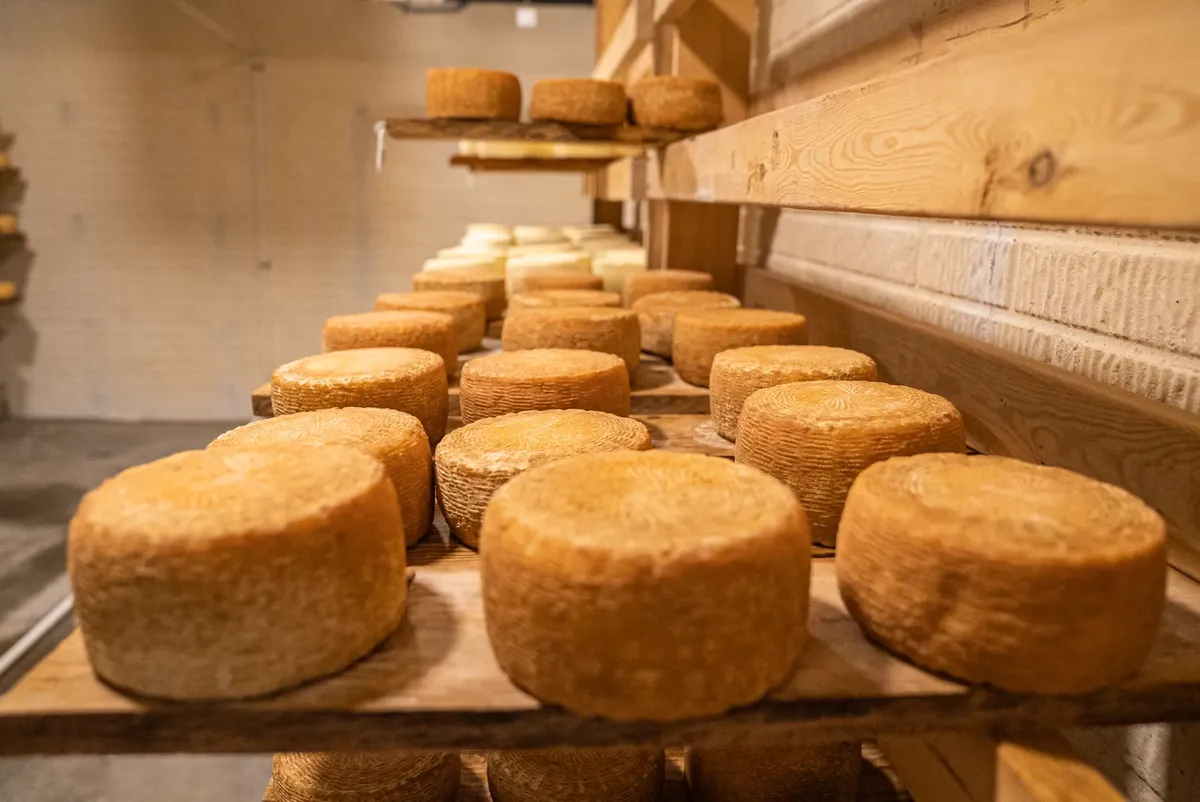
This balance ensures that the texture remains creamy rather than becoming excessively hard during the accelerated process.
What is the role of humidity in the Coon cheese patent history?
Water droplets bead on the surface of a cool stone wall in a traditional aging cellar. Managing moisture is essential to prevent both mold growth and excessive weight loss.
In the context of the Coon cheese patent history, humidity control was a vital component of the technological breakthrough. If the air is too dry, the cheese loses too much mass; if it is too wet, spovers or unwanted molds can ruin the batch.
Maintaining a specific humidity level allows for a controlled surface development that mimics natural aging.
How do we manage high heat humidity cheese production?
A technician adjusts a thermostat on a modern climate-controlled cabinet. Balancing these two opposing forces requires precise equipment and constant monitoring.
Effective high heat humidity cheese production requires a delicate equilibrium to ensure safety and flavor. While heat drives the ripening process, the moisture must be high enough to keep the rind pliable.
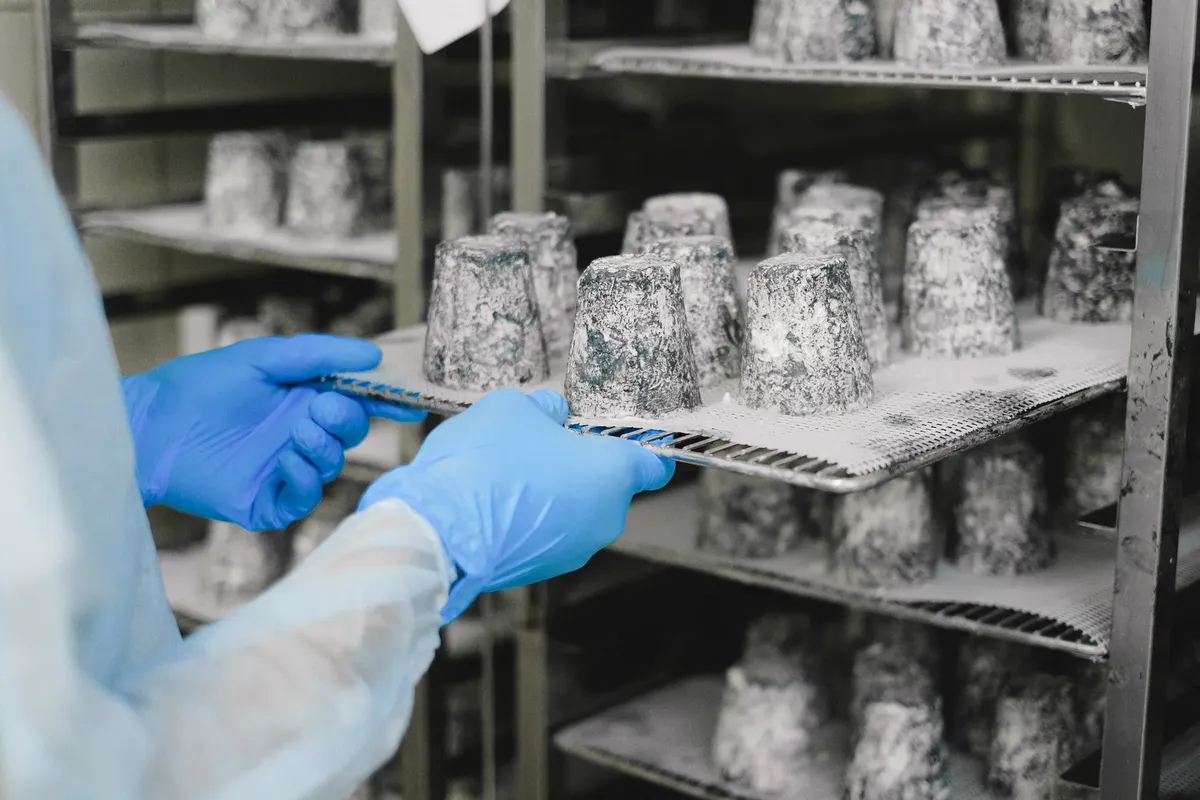
This dual approach was a key part of the innovation that allowed for quicker turnover in commercial creameries.
How can we apply these principles to modern cheese making?
A chef slices into a perfectly aged wedge, noting the sharp aroma and firm body. Applying old techniques to new environments requires an understanding of the core science.
To apply these historical principles to modern production, follow these steps:
- Establish a baseline temperature that encourages specific bacterial growth without spoiling the curd. 2. Regulate humidity levels to maintain the desired moisture-to-protein ratio. 3. Monitor the rind development closely to ensure it does not crack or become too thick.
I find that checking the rind texture during the first week of accelerated aging is the most critical step for success.
What are the limitations of rapid aging?
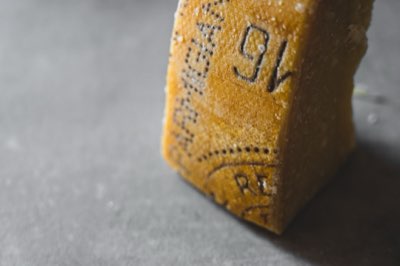
A single wheel of cheese sits alone on a rack, its rind slightly uneven. Not every cheese variety is suited for intensive environmental manipulation. According to USDA FoodData Central, cheese, cheddar contains 408kcal and 23.3g of protein per 100g.
The primary limitation of these methods is that they cannot perfectly replicate the complex flavor depth of traditional, slow-aged varieties. While the process speeds up physical changes, some nuanced chemical developments may be lost.

This technique is best applied to specific styles where texture and sharp flavor are the primary goals.
- What drove the need for Edward Coon cheese aging?
- How does the fast cheddar aging method work?
- What is the role of humidity in the Coon cheese patent history?
The same subject is also called Cheese aging innovation.
This part also covers Edward Coon cheese process.
This part also covers Cheese making technology.
Related
- Killeen Cheese Awards: What Defines Top Irish Cheese
- Coon to Cheer cheese history: Tips for brand change
How does the heavy copper vat relate to the aging process? The heavy copper vat serves as a central element in the initial stages of the transformation, where steam rises from the milk. This vessel facilitates the beginning of the biochemical changes that define the cheese's aging journey. The material of the vat influences the environment surrounding the milk before it moves to the aging shelves.
The presence of the heavy copper vat suggests a traditional setup where thermal properties play a role in the initial curd formation. This initial phase sets the stage for the later controlled environment management discussed in the guide.
What conditions must be met for successful rapid aging? Successful rapid aging depends on maintaining a precise balance between thermal input and moisture retention. The interaction between heat and moisture is the cornerstone of managing biological activity throughout the process.
Producers must ensure that the air is not too dry, which would cause significant mass loss, nor too wet, which invites spoilage. This careful calibration allows the cheese to develop a controlled surface that mimics natural maturation.
The heavy copper vat, when used in the initial stages, contributes to the thermal profile that the later climate-controlled cabinets must manage. This dual approach allows for quicker turnover in commercial creameries.



Comments 0