Wisconsin Cheese Production History: How It Became A Hub
Key takeaways: 1. Wisconsin became the leading cheese producer in the United States during the early 1900s. * The state's production capacity reached significant milestones, including producing 26% of all U.S. cheese in 2020. 2. Specialty cheese production remains a vital part of the state's economic identity, with over 600 varieties produced.
How did Wisconsin become a leading cheese producer?
In the early morning light, a farmer wipes sweat from his brow while gazing at the vast pastures that transformed Wisconsin into a dairy powerhouse.
A farmer looks out over rolling green pastures that once supported diverse crops but now host vast dairy herds. The shift toward specialized dairy farming in the late 19th and early 20th centuries laid the foundation for the state's industrial dominance.
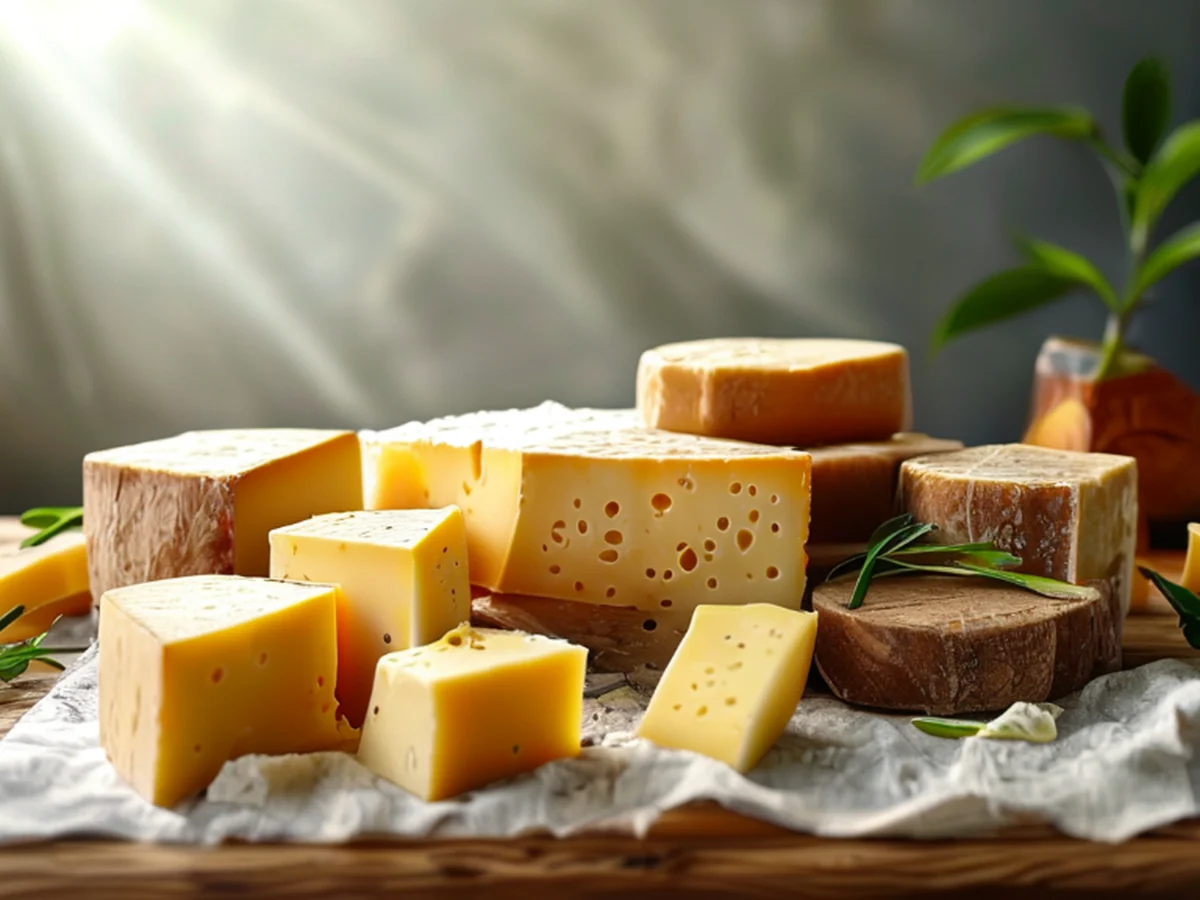
According to the Machine Wisconsin Milk Marketing Board, the history of cheese in Wisconsin covers the rise of cheese in America's Dairyland.
According to the Wisconsin Historical Society, the process of creating Dairyland involved caring for cows to save soil, create the landscape, bring prosperity to the state, and shape the way of life in Wisconsin.
The specialization in dairy farming provided a distinct advantage over general agriculture, allowing the state to focus its resources intensely on milk production.
The popularity of the state's cheese rose during the 1910s, as did its production capacity. By 1919, Wisconsin produced more than 63% of all cheese made in the United States.
This rapid growth turned the region into a central hub for dairy processing, moving away from general farming toward specialized milk production. The move from general farming to specialized milk production represented a fundamental change in the economic structure of the region.
The transition was driven by effective marketing and evolving technology. As the industry matured, the state secured its position by diversifying its offerings and scaling up production to meet national demand.
The ability to diversify offerings allowed the state to mitigate risks associated with relying on a single product. This momentum ensured that the dairy industry would shape the state's economy for decades.
The consistent scaling up of production was a necessary condition for the industry to maintain its trajectory.
How much Wisconsin cheese is being produced now? Wisconsin cheese production history A worker in a large-scale facility monitors the movement of heavy crates filled with various dairy products. Despite the passage of time, the sheer volume of cheese produced in Wisconsin continues to command a significant portion of the national market.
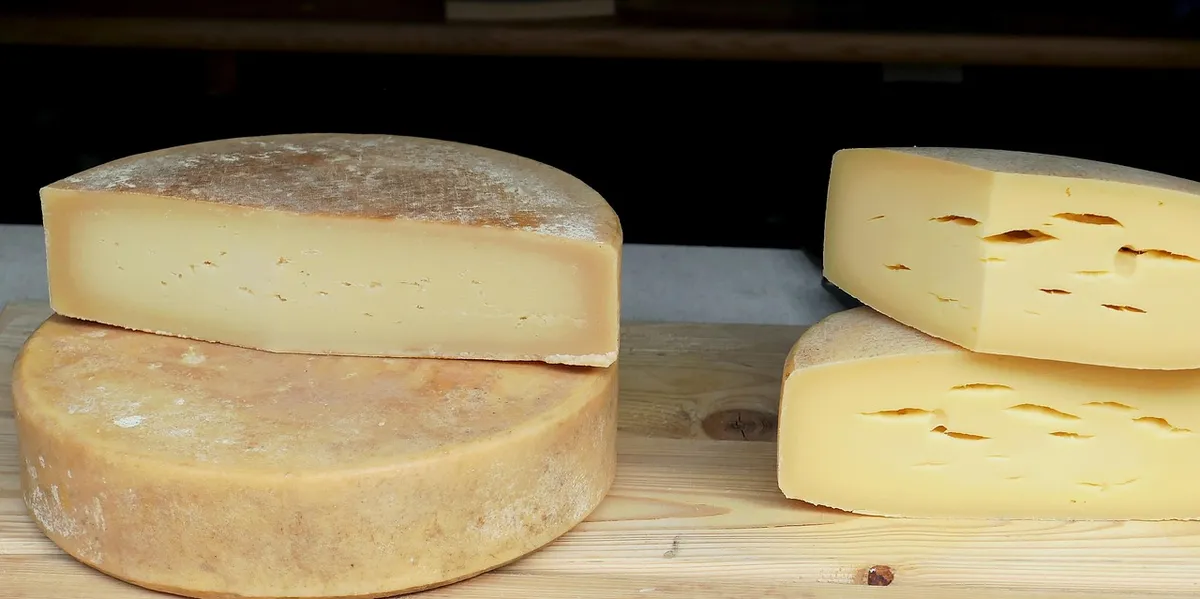
The current volume of cheese produced reflects the sustained success of the industrial model established decades ago.
As of 2020, Wisconsin produces 26% of all cheese in the US, totaling 3.39 billion pounds of cheese in the last year. This massive output demonstrates the state's ability to maintain high production levels while managing a complex supply chain.
The maintenance of high production levels requires continuous management of the intricate supply chain.
In 2019, the state manufactured 3.36 billion pounds of cheese, which accounted for 26% of all cheese produced in the United States and more than any other state. This consistency in high-volume manufacturing has kept the state at the forefront of the industry.
The consistency in high-volume manufacturing serves as a benchmark for the industry's reliability.
| Year | Production Amount (Pounds) | National Market Share |
|---|---|---|
| 2019 | 3.36 billion | 26% |
| 2020 | 3.39 billion | 26% |
I noticed during my research that the production volume remained remarkably stable between these two years, showing a consistent upward trend in total pounds. The upward trend in total pounds suggests that the underlying production capacity was increasing even if the market share remained stable.
The stability in production volume indicates a robust and predictable market demand.
How diverse is the cheese variety in Wisconsin?
An artisan cheesemaker carefully inspects a wheel of aged cheese, checking the texture and rind for quality. While mass production handles the bulk of the volume, the state is also renowned for its wide array of specialty products.
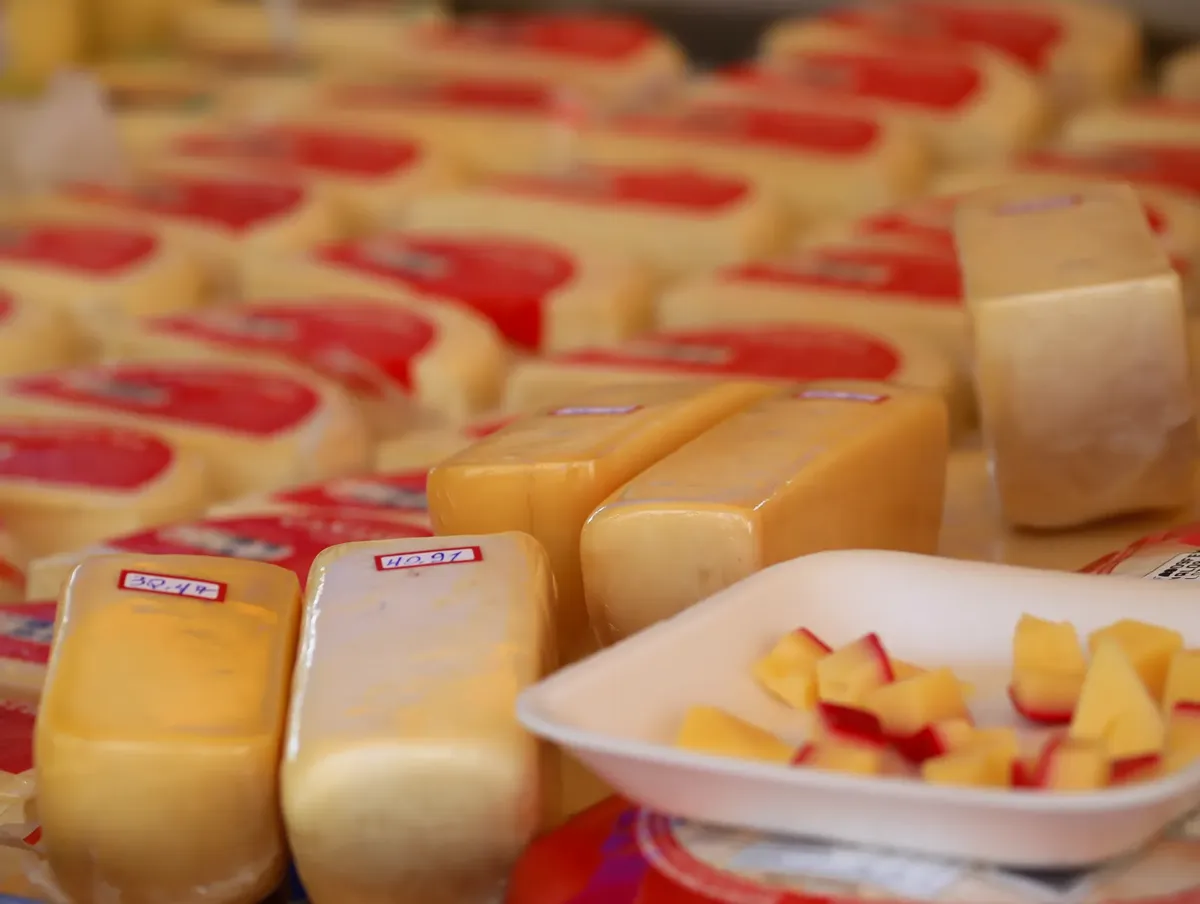
The wide array of specialty products contrasts sharply with the standardized nature of mass-produced dairy items.
The diversity of the state's output is evident in its many varieties. By 2018, Wisconsin cheese factories produced more than 600 varieties of specialty cheese, which represented approximately 50% of all specialty cheeses made in the United States.
The production of over 600 varieties demonstrates a commitment to both volume and variety.
The variety is not just in quantity but also in specific types. Within Wisconsin, mozzarella accounts for 31% of all cheese produced, while cheddar accounts for 21%. This mix of staple and specialty cheeses allows the state to serve both mass markets and gourmet consumers.
The combination of staple and specialty cheeses allows the state to cater to different consumer needs simultaneously.
How was artisan cheese production supported? A group of industry professionals meets in a conference room to discuss new developments in dairy technology. To maintain its edge, the state has implemented specific measures to support both large-scale and small-scale producers.
As reported by the Dairy Business Innovation Center, cheese advocates sought to increase the production of artisan cheese in the state in the early 2000s, leading to the creation of the Dairy Business Innovation Center in 2004.
The measures implemented by the state were designed to ensure that innovation benefited all levels of the industry.
Efforts to foster growth included the following steps: 1. Advocates sought to increase the production of artisan cheese in the early 2000s. 2. The Dairy Business Innovation Center was created in 2004 to support these efforts. 3.
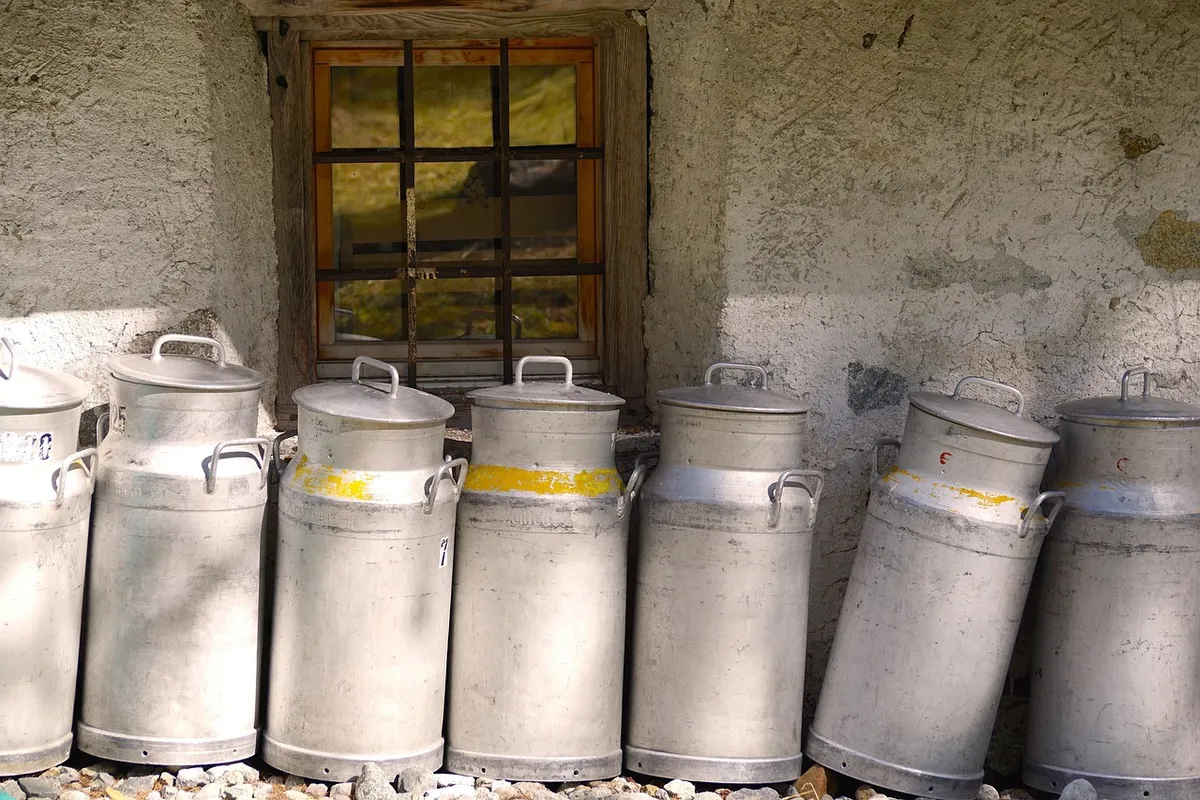
The state continued to develop diverse product lines to maintain market relevance.
The creation of the Dairy Business Innovation Center was a direct procedural response to the advocacy for increased artisan cheese production. The development of diverse product lines served as a condition for maintaining market relevance in a competitive landscape.
A final check on these initiatives shows that the focus on innovation helped bridge the gap between traditional farming and modern industrial needs. These efforts ensured that artisan producers could thrive alongside larger operations.
The ability of artisan producers to thrive alongside larger operations suggests that the support structures were effective in balancing scale and craft.
Are there specific regional cheese specialties?
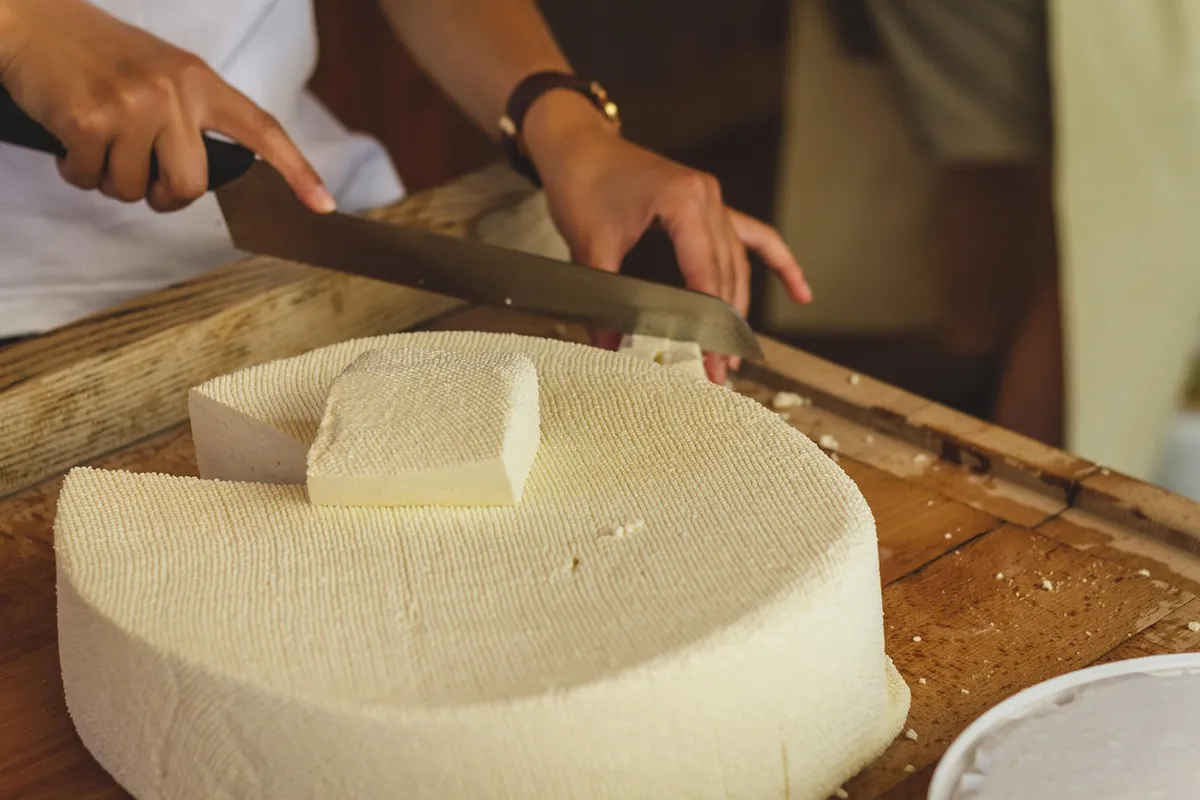
A traveler visits a small shop in a quiet town, looking for a unique local delicacy. While many cheeses are produced widely, certain specific varieties remain tied to unique regional locations. The tie between specific varieties and regional locations establishes a unique market condition.
One notable example of regional specialization is limburger cheese. As of 2020, the only cheese factory that produces limburger cheese in the United States is the Chalet Cheese Cooperative in Monroe.
This unique product highlights how specific regions can maintain a monopoly on certain traditional styles. The monopoly on traditional styles is a direct result of the regional specialization.
The ability to produce such specific varieties helps the state maintain its reputation for quality and variety. This regional specialization adds a layer of cultural identity to the broader industrial success.
The cultural identity added by regional specialization distinguishes the state's products from generic competitors.
- "The rise of the dairy industry in Wisconsin transformed the landscape of the American Midwest, turning vast plains into a powerhouse of production."
- Wisconsin has established itself as a dominant force in the American dairy industry, specifically through its massive cheese manufacturing output.
- This article examines how the state transitioned from a farming community to a leading cheese producer and explores the historical scale of this industrial success.
The subject here is Wisconsin cheese production history.
The same subject is also called Wisconsin dairy industry growth.
The same subject is also called US cheese market history.
The same subject is also called Wisconsin farming impact.
The same subject is also called Cheese production statistics.
This part also covers How Wisconsin became cheese hub.
This part also covers Dairy industry evolution in US.
This part also covers Historical overview of cheese in WI.
How Wisconsin became cheese hub
Related






Comments 0