How does global production volume shape the industry?
The massive scale of global dairy production often overshadows the specialized nuances of local creameries.
Large-scale operations focus on meeting the vast global demand, while smaller entities cater to specific variety needs.
Key takeaways: 1. The United States holds a substantial portion of worldwide cheese output. * Industrial volume and artisanal variety represent two distinct market roles. * Environmental footprints vary based on milk usage and production methods.
How does global production volume shape the industry?
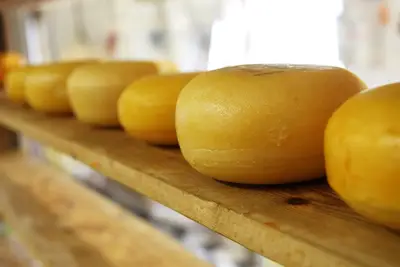
At dawn in the bustling warehouse, I watch the massive crates move and wonder how such high volume does drive the entire market.
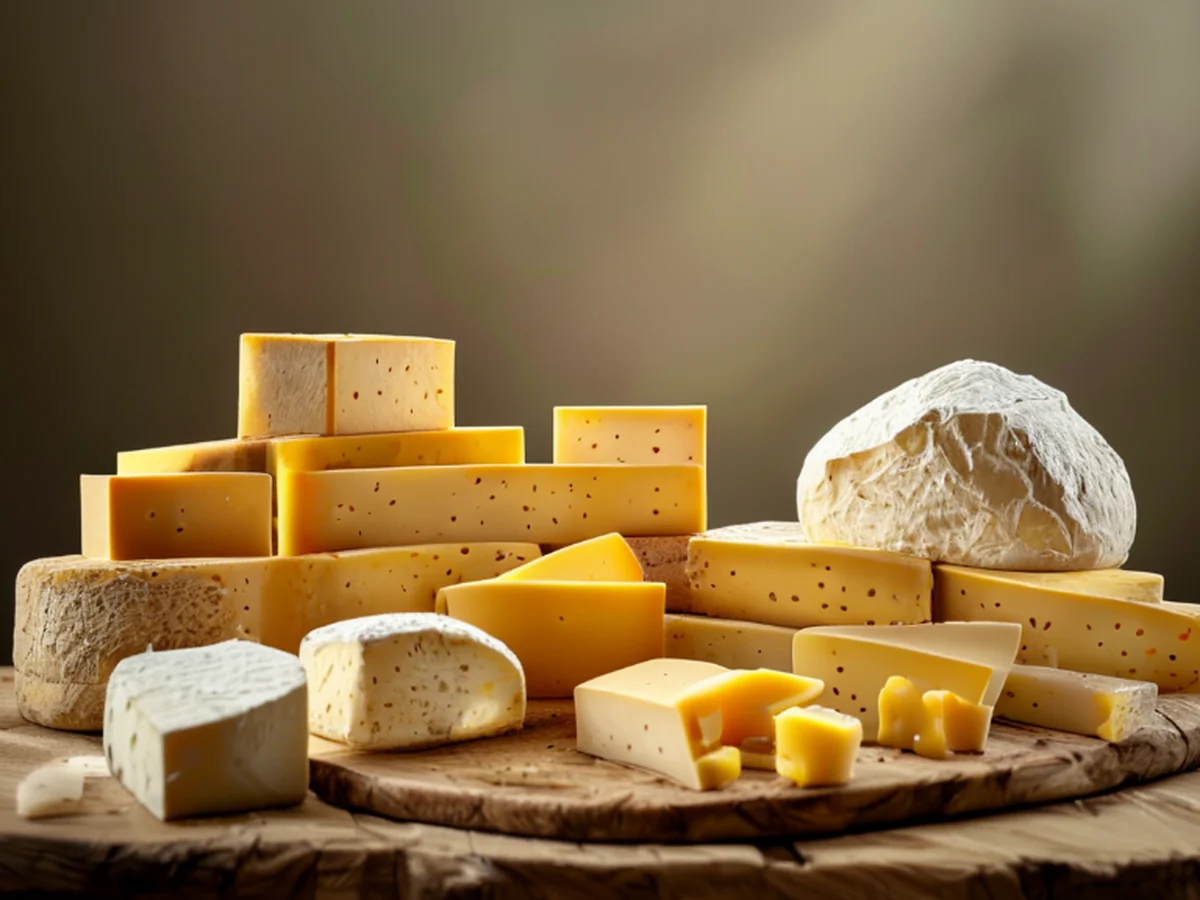
This large-scale movement is part of a much larger global cycle where efficiency and volume are the primary drivers of success.
According to the Machine Wisconsin Milk Marketing Board, the history of cheese in Wisconsin and the rise of cheese in America's Dairyland are documented in their cheese statistics.
In 2022, world production of cheese from whole cow milk reached 22.6 million tonnes. Within this massive total, the United States accounted for 28% of the production, followed by secondary producers such as Germany, France, Italy, and the Netherlands.
This dominance suggests that large-scale operations are essential for meeting the baseline nutritional and culinary needs of a massive population.
The sheer volume of these operations ensures that cheese remains a staple in many diets globally. However, such high-output environments prioritize consistency and shelf-life over the experimental nature of small-batch production.
This scale provides the foundation upon which the rest of the industry is built.
Large-scale manufacturing often drives down unit costs but can limit the artisanal variety found in local markets.
What defines the diversity of cheese varieties? Wisconsin cheese industry shift
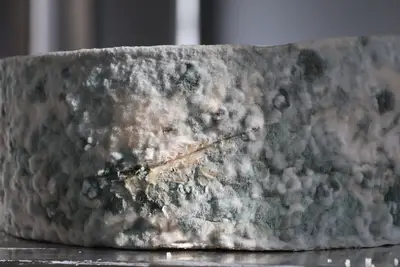
Late at night in the dim cellar, I run my fingers over the rough rind and wonder how such a small wheel does hold so much flavor.
A cheesemaker carefully inspects a wheel of aged cheddar, noting the unique texture of the rind. While industrial plants focus on standardized products, the sheer range of possibilities in the dairy world is vast.
The variety of cheese is vast, with different experts providing different counts of recognized types. The International Dairy Federation recognizes around 500 different varieties, while other researchers such as Sandine and Elliker have identified more than 1,000 varieties.
This diversity allows different producers to find niches, whether through mass-market blends or highly specific, aged specialties.
This variety serves as the bridge between industrial staples and boutique offerings. High-volume producers often focus on the most popular varieties to ensure turnover, while smaller producers may focus on the rarer types identified in these extensive lists.
This ensures that both the mass market and the connoisseur are served.
The variety is shaped by regional milk availability, traditional fermentation cultures, and specific aging environments.
How do production methods affect environmental impact?
A worker monitors the temperature in a ripening room, ensuring the environment is perfect for the aging process. The methods used to transform milk into cheese carry different environmental weights depending on the specific inputs and processes involved.
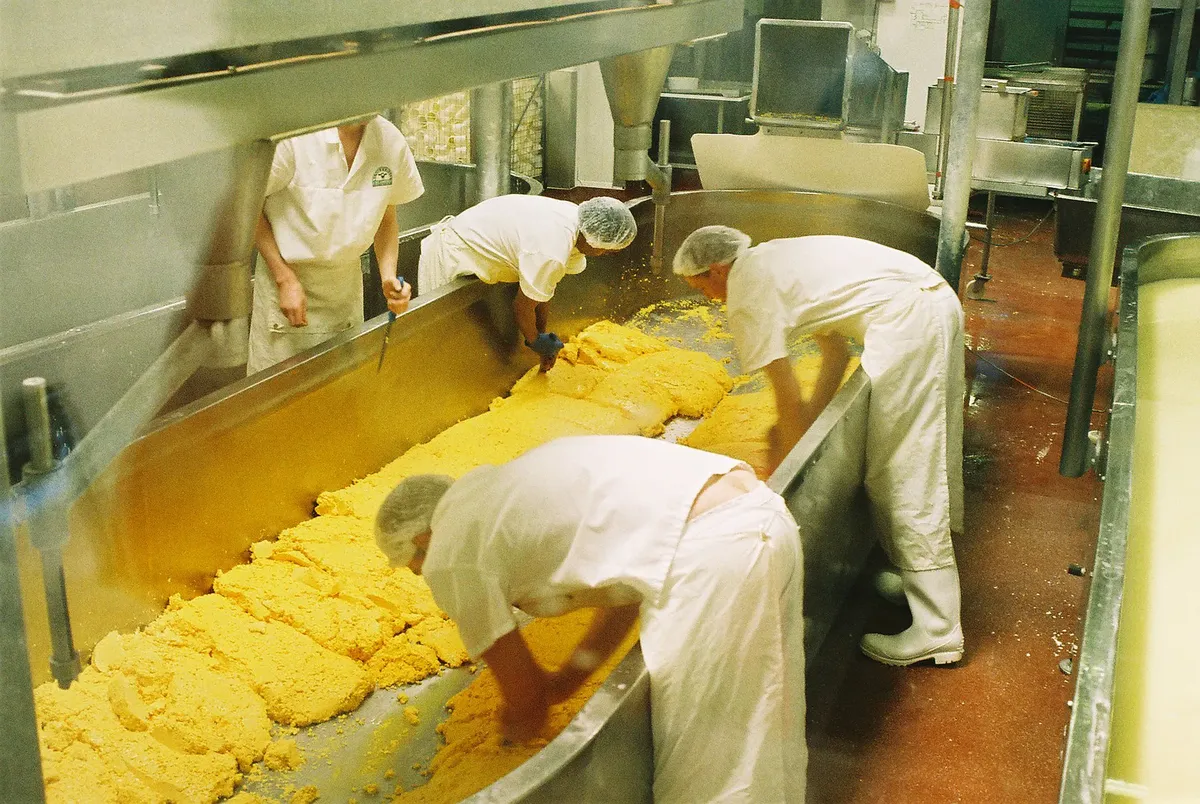
The environmental cost of production is tied closely to the raw materials used. As of 2021, the carbon footprint of a kilogram of cheese ranged from 6 to 12 kg of CO2eq, depending on the amount of milk used.
While this is generally lower than the footprint of beef or lamb, it remains higher than many other food categories.
Because the footprint depends on the amount of milk used, the efficiency of the production process is a critical factor. Large-scale producers often optimize for these metrics to manage costs and environmental regulations.
This makes the choice of milk and the efficiency of the curd-to-cheese conversion a central part of the industrial role.
- Sourcing local raw milk to reduce transportation emissions. 2. Implementing efficient water recycling systems in processing plants. 3. Managing organic waste through composting or biogas production.
How is the industry structured for different consumer needs?
An empty supermarket shelf is suddenly replenished with standardized blocks of cheese meant for sandwiches and snacks. The structure of the industry allows for this seamless replenishment through different production roles.
The industry essentially splits into two roles: the volume-driven supplier and the specialty provider. Large-scale producers manage the bulk of the 22.6 million tonnes of global production to ensure availability.
Meanwhile, the existence of over 500 to 1,000 recognized varieties allows for a specialized market that targets specific tastes.
This division prevents the market from becoming entirely monolithic. Without the high-volume sector, cheese would be a luxury item; without the specialty sector, the culinary diversity of the dairy world would shrink.
The two roles work in a symbiotic relationship to satisfy different economic and cultural demands.
In this sequence, the second step is the longest.
What are the steps to managing specialized cheese production?
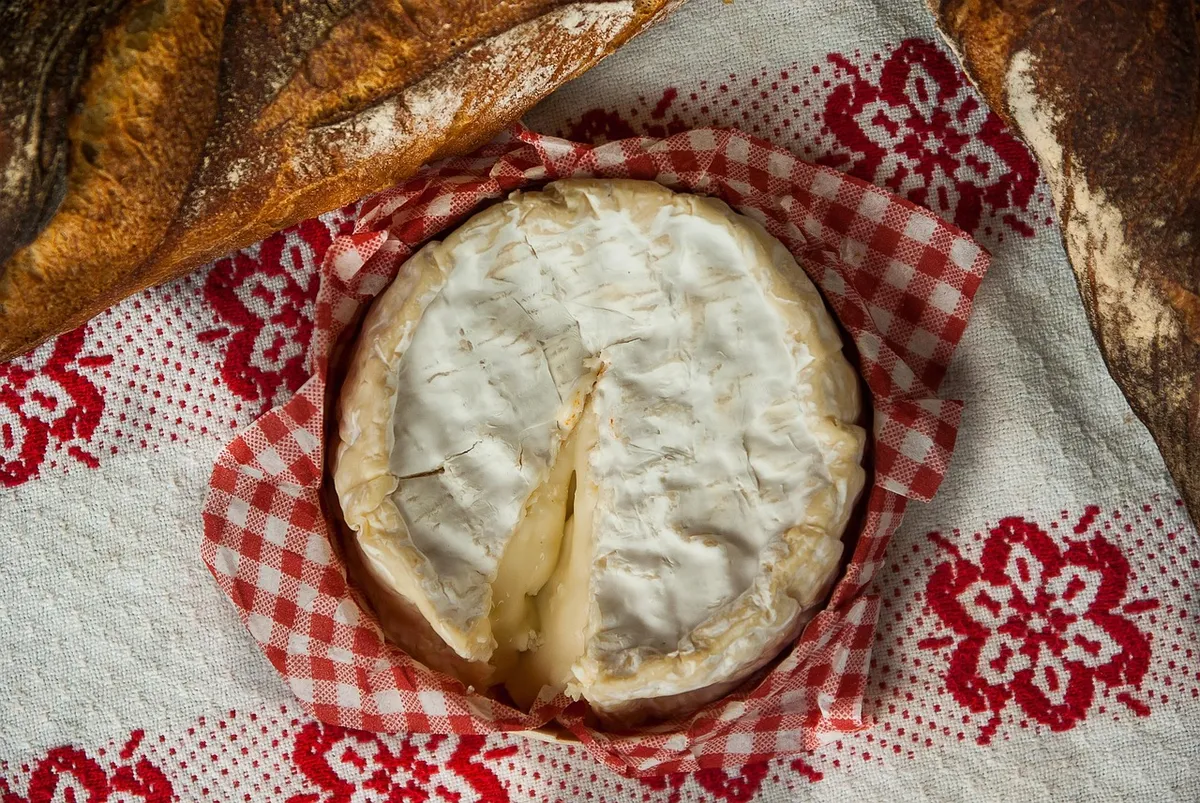
A cheesemaker carefully handles a small batch of curd, applying traditional techniques to a limited amount of milk. Managing a specialized production run requires a different set of operational steps than a massive industrial line.
- Selection of specific milk types to meet the requirements of the intended variety. 2. Careful temperature control, such as heating some hard cheeses to ranges between 35–55 °C (95–131 °F). 3. Monitoring the aging process to achieve the desired texture and flavor profile.
I have observed that even in small batches, the precision of temperature and timing is vital to prevent spoilage. This level of detail is harder to maintain in massive, continuous-flow industrial environments.
A final check of the acidity and moisture levels ensures the batch meets the specific standards for that variety.
A limitation of this industry analysis is that it does not account for the specific economic fluctuations of individual dairy cooperatives.
Specialized production requires strict temperature control, precise moisture management, and rigorous sanitation protocols to maintain unique flavor profiles.
- The global cheese market operates through a structural division between high-volume industrial production and specialized boutique manufacturing.
- Understanding this balance requires looking at total production volumes and the diversity of varieties available to consumers.
- A massive shipment of cheese moves through a distribution center, destined for grocery shelves across the country.
The subject here is Wisconsin cheese industry shift.
The same subject is also called large scale cheese production.
The same subject is also called boutique cheese factory role.
Related




Comments 0