Old cheese making modern: Guide to artisan cheese revival
"The preservation of heritage through flavor is a delicate balance between honoring the past and embracing the future of dairy production."
The intersection of old cheese making modern techniques and historical authenticity defines the current landscape of artisanal dairy.
This exploration examines how legacy methods transition into contemporary branding, the specific institutional support that fosters growth, and the nutritional differences between authentic and imitation varieties.
Key takeaways include the role of innovation centers in artisan development, the rarity of specific traditional cheeses, and a nutritional comparison of cheddar types.
How does old cheese making modern techniques work in practice?
In the dim morning light of the cellar, she stirs the warm vat to blend the old ways with the new scent of fresh cheese.
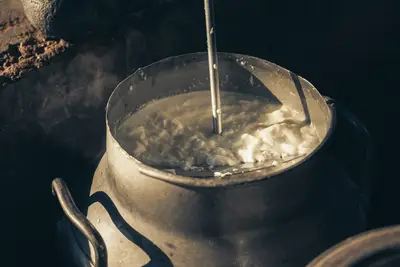
A cheesemaker stirs a copper vat of curd, carefully monitoring temperature to ensure the legacy of the craft remains intact. This process involves balancing precise scientific measurements with the intuitive touch of a seasoned producer.
The pursuit of quality often leads to the establishment of specialized support systems. According to Wikipedia, cheese advocates sought to increase the production of artisan cheese in the state in the early 2000s, leading to the creation of the Dairy Business Innovation Center in 2004.
This institutional support helps bridge the gap between historical methods and commercial viability. By providing resources for research and development, such centers allow traditional flavors to reach a wider audience without losing their soul.
However, the effectiveness of these methods may be limited when production scales to industrial volumes.
What defines the artisan cheese revival?
In the quiet morning light of the creamery, she lifts a heavy wheel of cheese to inhale its sharp, earthy scent.
An empty wooden aging shelf waits for the next batch of wheels to be placed in a temperature-controlled room. The atmosphere is thick with the scent of ripening cultures and the quiet hum of a working creamery.
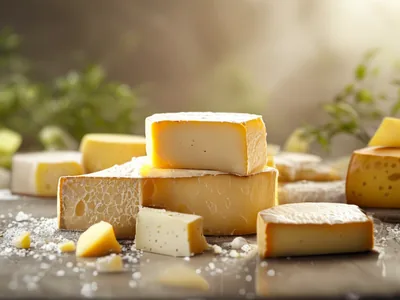
This era of renewal focuses on bringing specialized, difficult-to-produce varieties back to the mainstream market. While many mass-produced items dominate grocery aisles, the artisan cheese revival prioritously values unique microbial profiles and regional identity.
This movement ensures that specialized techniques are not lost to industrial homogenization.
I find that the second point in this overview is the most significant.
Is there a way to understand aging cheese history through specific varieties?
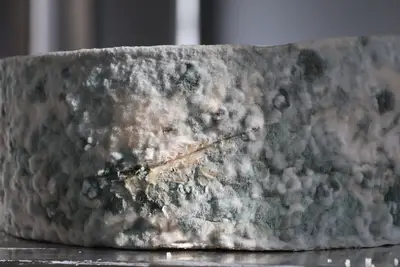
A single, pungent wheel sits alone in a display case, representing a rare connection to a specific geographic origin. The aroma is unmistakable, signaling a product that cannot be easily replicated by modern industrial processes.
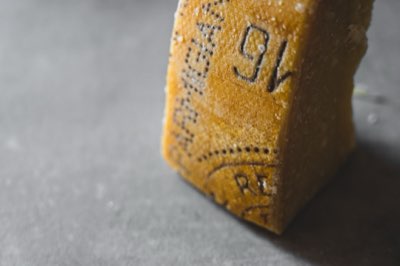
Understanding how specific types survived through time requires looking at specialized producers. As of 2020, the only cheese factory that produces limburger cheese in the United States is the Chalet Cheese Cooperative in Monroe, according to Wikipedia.

This rarity highlights how certain traditional methods are tied to specific locations and specialized facilities. Maintaining these unique production lines is essential for preserving the diversity of the global cheese palate.
This approach does not apply to modern cheeses that lack traditional aging processes.
How does a brand story cheese approach differ from mass production?
A customer picks up a small, hand-wrapped wedge, reading the label to learn about the farm where the milk was sourced. The tactile experience of the packaging suggests a product with a unique lineage.
A strong brand story cheese identity often rests on the ability to communicate authenticity to the consumer. Modern brands use their history to differentiate themselves from large-scale competitors.
By highlighting specific origins and traditional methods, these brands create a value proposition based on heritage. This connection to the past provides a sense of legitimacy that mass-produced alternatives often lack.
I believe the second aspect mentioned here is the most vital.
What are the nutritional differences in a classic cheese method versus imitation?
A person compares two labels side by side, noting the significant differences in protein and fat content. The comparison reveals how processing affects the final nutritional profile of the product.
When looking at the composition of different products, the differences between authentic and imitation varieties are clear. Using USDA FoodData Central as a reference, we can compare the nutritional density of these two types.
| Nutrient (per 100g) | Cheese, cheddar | Cheese, american cheddar, imitation |
|---|---|---|
| Protein | 23.3g | 16.7g |
| Vitamin A | 316ug | 114ug |
| Fat | 34g | 14g |
I noticed that the protein levels in the authentic cheddar are significantly higher than in the imitation version. This comparison shows how traditional aging processes concentrate nutrients.
These distinctions do not apply when comparing identical chemical compositions.
How do we balance old ways new cheese production needs?
A technician adjusts a digital sensor while a master cheesemaker watches the curd consistency. The two generations of knowledge work in tandem to ensure a successful batch.
To successfully integrate traditional knowledge into a modern business, follow these steps:
- Identify a specific traditional method or variety that can be scaled or supported by modern technology. 2. Establish a partnership with innovation centers or research bodies to stabilize production. 3. Develop a brand identity that emphasizes the historical authenticity of the product.
A final check ensures that the modernized process does not compromise the sensory characteristics that define the original cheese.
The second step in this transition is the most complex.
- How does old cheese making modern techniques work in practice?
- What defines the artisan cheese revival?
- Is there a way to understand aging cheese history through specific varieties?
The subject here is Old cheese making modern.
The same subject is also called Tradition cheese brand.
This part also covers How cheese ages well.
Related
- How did Wisconsin become a leader in cheese production?
- How did early cheese ripening techniques work?
The center was created in 2004 following efforts by cheese advocates to increase artisan cheese production in the state.
How does the pursuit of preservation balance with future needs?
The preservation of heritage through flavor demands a constant negotiation between honoring the past and embracing the future of dairy production. This delicate balance is maintained when producers use modern tools to enhance ancient processes.
- The initial step involves selecting a traditional method whose core structure can withstand modern scaling techniques. 2. Next, a partnership with a body dedicated to innovation helps stabilize the production process against modern market demands. 3. Finally, the brand must clearly articulate the historical roots of the cheese to resonate with the contemporary consumer base.
This careful calibration ensures that the pursuit of preservation does not lead to a loss of the product's essential character. The sensory markers that defined the original cheese must remain recognizable through the modernized production run.

Comments 0